Early Years Toolkit
Support for the sector
Free, ready-to-use assets and messaging to promote Starting Reception.
Making the most of Starting Reception
In this section, find information specifically for professionals working in early years settings, schools and local authorities. All content is free to use and publish. We ask that you do not change the definition and credit startingreception.co.uk.
Not sure what Starting Reception is? Read our FAQs.

Customise the Starting Reception definition for your organisation
The free Starting Reception booklet
Instructions for adding your own logo to the Starting Reception booklet
- To add your logo to the PDF: We have left space for your logo on the front cover of the PDF in the top right corner. Download the document, open it in any PDF editing software and drag your logo onto the top right hand corner.
- If you are having trouble with software, please use the 'Edit PDF' function on ILovePDF (free & no registration needed). Click 'Select PDF file' and upload the Starting Reception PDF. Then select 'Add image', choose your school/organisation logo and position/resize it in the online editor. Finally, click 'Edit PDF' and then 'Download PDF'.
- To add details of local services or notes: there is a large amount of space on the back page where you can add your own text.
Content from Starting Reception which is easy to copy and paste
પ્રારંભિક ગ્રહણશીલતા
તમારા બાળકની સ્કૂલ સુધીની યાત્રા ઘરથી શરૂ થાય છે.
અમે સમજીએ છીએ કે બધા બાળકો પોતાની ગતિએ વિકાસ પામે છે, અને અમે બધા જન્મથી જ શીખી રહ્યા છીએ. સ્કૂલ શરૂ કરવાનો સમય આવશે, ત્યારે કેટલાક બાળકોને અન્ય કરતાં વધુ મદદની જરૂર પડશે.
સ્કૂલો મોટાભાગના બાળકો પાસેથી તેમના પ્રથમ દિવસ પહેલા જ શીખવાનું શરૂ કરે તેવી અપેક્ષા રાખે છે. તેનો અભ્યાસ કરવાથી તમારા બાળકની ગ્રહણશીલતા સુધીની સફર શક્ય તેટલી સકારાત્મક બનશે.
જો તમારું બાળક પહેલા જ નર્સરીમાં છે, પ્રી-સ્કૂલમાં છે, અથવા બાળ સંભાળ રાખનાર સાથે છે, તો તે વ્યાવસાયિકો તમારી અને તમારા બાળક સાથે મળીને તેમને તૈયાર કરવામાં મદદ કરશે.
તમારા બાળકનો આત્મવિશ્વાસ અને સ્વતંત્રતા વધારવા તમે ઘરે ઘણું બધું કરી શકો છો, જેથી તેઓ સ્કૂલ શરૂ કરવા માટે ભાવનાત્મક અને વ્યાવહારિક રીતે તૈયાર થઈ શકે.
*અમે આ દસ્તાવેજને 'પ્રારંભિક ગ્રહણશીલતા' વ્યાખ્યા કહી રહ્યા છીએ. કેટલાક લોકો/સંસ્થાઓ તેને 'સ્કૂલ તૈયારી' કહે છે.
હું મારા બાળકને તૈયાર થવામાં કેવી રીતે મદદ કરી શકું?
- તમારા બાળક પાસે સ્કૂલ શરૂ થાય ત્યારે ઘણી બધી નવી પ્રવૃત્તિઓ અને દિનચર્યાઓ હશે જેની તેને આદત પાડવાની જરૂર પડશે. એવી કેટલીક બાબતો છે જેના માટે તેમને પહેલા કરતાં વધુ સ્વતંત્ર રીતે કરવાની જરૂર પડશે.
- Research shows that a child’s relationship with their parents is the most important factor in their development, and there’s a lot you can do at home.
- તમારું બાળક તમારી સાથે અથવા અન્ય કોઈ સંભાળ રાખનાર સાથે ઘરે હોય, ત્યારે તમે મનોરંજક પ્રવૃત્તિઓ સાથે પરિવાર પ્રેક્ટિસ કરી શકો છો (અમે આ સંસાધનના અંતે લિંક્સ શામેલ કરી છે).
- તેમાંની કેટલીક કુશળતામાં નિપુણતા મેળવવામાં સમય લાગે છે, તેથી તમારા દિનચર્યાના ભાગ રૂપે તેમને ધીમે ધીમે દાખલ કરવી સારી છે.
જો મારા બાળકને વધારાની જરૂરિયાતો હોય તો શું?
- જો તમારા બાળકને ગ્રહણશીલતામાં સ્થાયી થવા માટે વધારાના સમર્થનની જરૂર હોય, તો ખાતરી કરો કે તમે તેમના નવા શિક્ષક સાથે શક્ય તેટલી વધુ માહિતી શેર કરો છો. તેઓ તમારા બાળકને ટેકો આપવા માટે વ્યૂહરચનાઓ શોધવા માટે તમારી સાથે કામ કરી શકે છે.
- ઉનાળામાં જન્મેલા બાળકો, અથવા જેઓ વધારાની ભાષા (EAL) તરીકે ઇંગ્લીશ બોલે છે તેમને વધુ સહાયની જરૂર પડી શકે છે.
- જો તમને જાણ હોય કે તમારું બાળક ખાસ શૈક્ષણિક જરૂરિયાતો (SEND), વિકાસલક્ષી તફાવતો અથવા વિલંબ ધરાવે છે, તો આમાંની કેટલીક કુશળતા આ સમયે તેમના માટે પ્રાપ્ત કરી શકાતી નથી.
- વહેલી તકે સહાયથી મોટો ફેર પડે છે - તમારા બાળકની નર્સરી, સ્કૂલ, આરોગ્ય મુલાકાતી, સ્થાનિક ચિલ્ડ્રન સેન્ટર અથવા ફેમિલી હબને મદદ માટે પૂછો.
હું મદદ માટે કોની સાથે વાત કરી શકું?
ગ્રહણશીલતા શરૂ કરવા માટે આત્મવિશ્વાસ અને ઉત્સાહ અનુભવવા માટે બધા બાળકોને તેમના વિશ્વાસુ પુખ્ત વયના લોકોની મદદની જરૂર હોય છે.
- જો તમને વધુ માહિતીની જરૂર હોય તો તમારા બાળ માઇન્ડર/ નર્સરી/ પ્રી-સ્કૂલ ટીમ અથવા તમારા આરોગ્ય મુલાકાતી, બાળકોનું કેન્દ્ર અથવા ફેમિલી હબ મદદ કરી શકે છે.
- અમે તમને અને તમારા બાળકને સાથે મળીને તૈયાર થવામાં મદદ કરવા માટે સંસ્થાઓ અને સંસાધનોની યાદી પણ તૈયાર કરી છે.
વ્યાખ્યા: ગ્રહણશીલતા શરૂ કરતા પહેલા પ્રેક્ટિસ કરવા માટેની કુશળતા
New skills take time to learn. Practicing at home will help your child move into school more easily and with confidence.
સ્વતંત્રતાનો વિકાસ
પોતાની સંભાળ રાખવી
- કોટ અને જૂતા પહેરવા/ઉતારવા
- શૌચાલયનો ઉપયોગ કરવો અને તેમના હાથ ધોવા
- અમુક મદદ સાથે કપડાં પહેરવા, દા.ત. શૌચાલયનો ઉપયોગ કર્યા પછી અથવા PE કર્યા પછી
- કટલેરીનો ઉપયોગ (દા.ત. કાંટો અને ચમચી, ચોપસ્ટિક્સ) અને ખુલ્લા કપમાંથી પીવું
- તમારાથી દૂર સમય વિતાવવો, એ શીખવું કે સંભાળ રાખનારા પુખ્ત વયના લોકો તેમની સંભાળ રાખી શકે છે
રમત, સર્જનાત્મકતા અને જિજ્ઞાસા
- કાલ્પનિક નાટકમાં ભાગ લેવો (દા.ત. ભૂમિકા ભજવવી)
- ચિત્રકામ, રંગકામ, રંગકામ અને ચોંટાડવું
- Counting, building and doing puzzles
- વાર્તાના પુસ્તકો શેર કરવા, ચિત્રો જોવા અને પાત્રો વિશે વાત કરવી
- Exploring the world around them (e.g. looking closely at the natural world, noticing numbers, patterns and shapes, playing safely with objects at home)
સંબંધો બનાવવા અને વાતચીત કરવી
બીજાઓ સાથે રહેવું
- Practising sharing and taking turns with toys
- તેઓ કેવું અનુભવી રહ્યા છે અને શા માટે, તે વિશે તેમની સાથે વાત કરો
- વાર્તાના પુસ્તકો સાથે મળીને જોવું અને પાત્રો કેવું અનુભવે છે તે વિશે વાત કરવી એ આ કરવાની એક યોગ્ય રીત છે
- બીજાઓ શું અનુભવી રહ્યા છે તે ઓળખવાનું શરૂ કરવું, દા.ત. મિત્ર ઉદાસ છે કે નહીં તે સમજવું
- તેમને પોતાના અને બીજાઓ માટે સીમાઓ નક્કી કરવા પ્રોત્સાહિત કરવા (દા.ત. 'ના' કેવી રીતે કહેવું તે જાણવું)
વાતચીત અને ભાષા
- ગીતો અને બાળગીતો સાથે ગાવા
- અન્ય લોકો સાથે પ્રવૃત્તિઓ, અનુભવો અને તેમની આસપાસની દુનિયા વિશે આનંદથી વાત કરવી
- સ્પષ્ટ બોલીને (મૂળભૂત ઇંગ્લીશ અથવા સાંકેતિક ભાષામાં) તેમને મદદની જરૂર છે તે દર્શાવવું.
- તેમના નામની પેટર્ન ઓળખવી (જેથી તેઓ તેને તેમના કોટ પેગ અથવા જેકેટ પર શોધી શકે)
સાંભળવું અને સામેલ કરવું
- ટૂંકા ગાળા માટે ધ્યાન આપવું
- સરળ સૂચનાઓ સાંભળવી અને તેનું પાલન કરવું
- મુશ્કેલી પડતી હોય ત્યારે પણ કાર્ય ચાલુ રાખવું અને જો કંઈક ખોટું થાય તો પાછા હટી જવું
શારીરિક વિકાસ
દિવસમાં ઓછામાં ઓછા ત્રણ કલાક ચાલવું
- પગથિયાં ઉપર અને નીચે ચાલવું (એક સમયે એક પગ, ટેકા તરીકે દિવાલનો ઉપયોગ કરીને)
- ચડવું, દોડવું, કૂદવું અને રમવું
- મોટો બોલ પકડવો (મોટાભાગના સમયે)
- સરળ કોયડાઓ અને હસ્તકલાની પ્રવૃત્તિઓ કરવી, કાપવા અને ચોંટાડવાથી તેમની પકડ મજબૂત કરવી
સ્વસ્થ દિનચર્યાઓ
- દરરોજ રાત્રે લગભગ એક જ સમયે સૂવા જવું, સ્કૂલ માટે તૈયાર થવા માટે સમયસર ઉઠવું
- ભલામણ કરેલ દૈનિક માત્રા સુધી સ્ક્રીન સમય મર્યાદિત કરવો (સલાહ જુઓ)
- સ્વસ્થ આહાર લેવો અને નવા ખોરાક લેવાનો પ્રયાસ કરવો
- દિવસમાં બે વાર ફ્લોરાઇડ ટૂથપેસ્ટથી દાંત સાફ કરવા (તેઓ ઓછામાં ઓછા 7 વર્ષના થાય ત્યાં સુધી તમારે આનું નિરીક્ષણ કરવાની જરૂર પડશે)
જો મને મારા બાળકના વિકાસ વિશે સમસ્યા હોય તો મારે શું કરવું જોઈએ?
- જો તમને તમારા બાળકની પ્રગતિ વિશે સમસ્યા હોય, તો તમારા બાળ માઇન્ડર/નર્સરી/પ્રી-સ્કૂલ ટીમ, આરોગ્ય મુલાકાતી, સ્થાનિક બાળકોના કેન્દ્ર અથવા ફેમિલી હબ સાથે વાત કરવી જોઈએ.
- જો તમારું બાળક વિકાસલક્ષી વિલંબ ધરાવતું હોય અથવા SEND (શંકાસ્પદ અથવા પુષ્ટિ થયેલ) હોય, તો રિસેપ્શન શરૂ કરતા પહેલા તેમની નર્સરી, બાળ માઇન્ડર, અથવા આરોગ્ય મુલાકાતી/નર્સરી/પ્રી-સ્કૂલ ટીમ સાથે વાત કરો અને સ્કૂલો પસંદ કરતી વખતે તેમની જરૂરિયાતોની ચર્ચા કરો.
- તમે તમારા બાળકના શરૂઆતના વર્ષો સાથે કામ કરી શકો છો જેથી તમારા બાળકને સ્વ-સંભાળ, લાગણીઓનું સંચાલન, સામાજિક કૌશલ્ય અને વાર્તાલાપમાં મદદ મળી શકે જે તેમના વિકાસના તબક્કાને અનુરૂપ હોય.
- તમે આ વિશે વિગતો શેર કરવા માંગી શકો છો: તેમનો વિકાસ, જરૂરિયાતો, તેમને શું પ્રેરણા આપે છે, શું મુશ્કેલીઓ ઉભી કરી શકે છે, તેઓ કેવી રીતે શ્રેષ્ઠ શીખે છે અને કઈ વ્યૂહરચનાઓ સારી રીતે કાર્ય કરે છે.
- ખાતરી કરો કે તમે તમારા બાળકને ટેકો આપતા દરેક વ્યક્તિ સાથે મહત્વપૂર્ણ માહિતી શેર કરો છો, જેમાં તેમના નવા રિસેપ્શન શિક્ષકનો પણ સમાવેશ થાય છે.
વધારાની જરૂરિયાતો ધરાવતા પરિવારો માટે સંસાધનો:
એવી ઘણી સંસ્થાઓ છે જે તમને, તમારા બાળકને અને તેમના શૈક્ષણિક વાતાવરણને તૈયાર કરવા, સરળ સંક્રમણ સુનિશ્ચિત કરવા અને ભવિષ્યની સફળતા માટે તેમને સુયોજિત કરવા માટે માહિતી અને વ્યૂહરચનાઓ સાથે સહાય કરી શકે છે.
આમાં શામેલ છે:
<h1>પ્રારંભિક ગ્રહણશીલતા</h1>
<h2>તમારા બાળકની સ્કૂલ સુધીની યાત્રા ઘરથી શરૂ થાય છે.</h2>
<p>અમે સમજીએ છીએ કે બધા બાળકો પોતાની ગતિએ વિકાસ પામે છે, અને અમે બધા જન્મથી જ શીખી રહ્યા છીએ. સ્કૂલ શરૂ કરવાનો સમય આવશે, ત્યારે કેટલાક બાળકોને અન્ય કરતાં વધુ મદદની જરૂર પડશે.</p>
<p>સ્કૂલો મોટાભાગના બાળકો પાસેથી તેમના પ્રથમ દિવસ પહેલા જ શીખવાનું શરૂ કરે તેવી અપેક્ષા રાખે છે. તેનો અભ્યાસ કરવાથી તમારા બાળકની ગ્રહણશીલતા સુધીની સફર શક્ય તેટલી સકારાત્મક બનશે.</p>
<p>જો તમારું બાળક પહેલા જ નર્સરીમાં છે, પ્રી-સ્કૂલમાં છે, અથવા બાળ સંભાળ રાખનાર સાથે છે, તો તે વ્યાવસાયિકો તમારી અને તમારા બાળક સાથે મળીને તેમને તૈયાર કરવામાં મદદ કરશે.</p>
<p>તમારા બાળકનો આત્મવિશ્વાસ અને સ્વતંત્રતા વધારવા તમે ઘરે ઘણું બધું કરી શકો છો, જેથી તેઓ સ્કૂલ શરૂ કરવા માટે ભાવનાત્મક અને વ્યાવહારિક રીતે તૈયાર થઈ શકે.</p>
<em>*We are calling this document the ‘Starting Reception’ definition. Some people/organisations refer to this as ‘school readiness’.</em>
<p>
<strong>હું મારા બાળકને તૈયાર થવામાં કેવી રીતે મદદ કરી શકું?</strong>
<ul>
<li>Your child will have lots of new activities and routines to get used to when they start school. There are some things they’ll need to do more independently than they might have before.</li>
<li>Research shows that a child’s relationship with their parents is the most important factor in their development, and there’s a lot you can do at home.</li>
<li>When your child is at home with you or another caregiver, you can practise as a family with fun activities (we’ve included links at the end of this resource).</li>
<li>Some of these skills take time to master, so it’s good to introduce them gradually as part of your daily routine.</li>
</ul>
<strong>જો મારા બાળકને વધારાની જરૂરિયાતો હોય તો શું?</strong>
<ul>
<li>If your child needs additional support to settle into Reception, make sure you share as much information as possible with their new teacher. They can work with you to find strategies to support your child.</li>
<li>Summer born children, or those speaking English as an additional language (EAL) may need more support.</li>
<li>If you know or suspect your child has special educational needs (SEND), developmental differences or delays, some of these skills may not be achievable for them at this point.</li>
<li>Early support makes a big difference – ask your child’s nursery, school, health visitor, local children’s centre or family hub for help.</li>
</ul>
<strong>હું મદદ માટે કોની સાથે વાત કરી શકું?</strong>
ગ્રહણશીલતા શરૂ કરવા માટે આત્મવિશ્વાસ અને ઉત્સાહ અનુભવવા માટે બધા બાળકોને તેમના વિશ્વાસુ પુખ્ત વયના લોકોની મદદની જરૂર હોય છે.
<ul>
<li>Your childminder/nursery/pre-school team or your health visitor, children’s centre or family hub can help if you need more information.</li>
<li>We’ve also put together a list of organisations and resources further down to help you and your child get ready together.</li>
</ul>
<strong>વ્યાખ્યા: ગ્રહણશીલતા શરૂ કરતા પહેલા પ્રેક્ટિસ કરવા માટેની કુશળતા</strong>
<p>New skills take time to learn. Practicing at home will help your child move into school more easily and with confidence.</p>
<h3>સ્વતંત્રતાનો વિકાસ</h3>
<strong>પોતાની સંભાળ રાખવી</strong>
<ul>
<li>Putting on/taking off their coat and shoes</li>
<li>Using the toilet and washing their hands</li>
<li>Getting dressed with little help, e.g. after using the toilet or doing PE</li>
<li>Using cutlery (e.g. fork and spoon, chopsticks) and drinking from an open cup</li>
<li>Spending time away from you, learning they can be looked after by caring adults</li>
</ul>
<strong>રમત, સર્જનાત્મકતા અને જિજ્ઞાસા</strong>
<ul>
<li>Taking part in imaginative play (e.g. role play)</li>
<li>Drawing, painting, colouring and sticking</li>
<li>Counting, building and doing puzzles</li>
<li>Sharing story books with caregivers, looking at pictures and talking about the characters</li>
<li>Exploring the world around them (e.g. looking closely at the natural world, noticing numbers, patterns and shapes, playing safely with objects at home)</li>
</ul>
<h3>સંબંધો બનાવવા અને વાતચીત કરવી</h3>
<strong>બીજાઓ સાથે રહેવું</strong>
<ul>
<li>Practising sharing and taking turns with toys</li>
<li>Talking to them about how they are feeling and why</li>
<li>Looking at story books together and speaking about what characters are feeling is a good way to do this</li>
<li>Beginning to recognise what others are feeling, e.g. understanding if a friend is sad</li>
<li>Encouraging them to set boundaries for themselves and others (e.g. knowing how to say ‘no’)</li>
</ul>
<strong>વાતચીત અને ભાષા</strong>
<ul>
<li>Singing along with songs and nursery rhymes</li>
<li>Talking happily to others about activities, experiences and the world around them</li>
<li>Showing they need help by speaking clearly (in basic English or sign language)</li>
<li>Recognising the pattern of their name (so they can find it on their coat peg or jacket)</li>
</ul>
<strong>સાંભળવું અને સામેલ કરવું</strong>
<ul>
<li>Paying attention for short periods of time</li>
<li>Listening to and following simple instructions</li>
<li>Carrying on with a task even when it’s difficult and bouncing back if things go wrong</li>
</ul>
<h3>શારીરિક વિકાસ</h3>
<strong>દિવસમાં ઓછામાં ઓછા ત્રણ કલાક ચાલવું</strong>
<ul>
<li>Walking up and down steps (one foot at a time, using the wall for support)</li>
<li>Climbing, running, jumping and playing</li>
<li>Catching a large ball (most of the time)</li>
<li>Doing simple puzzles and craft activities, strengthening their grip with cutting and sticking</li>
</ul>
<h3>સ્વસ્થ દિનચર્યાઓ</h3>
<ul>
<li>Going to bed around the same time each night, waking up in time to get ready for school</li>
<li>Limiting screen time to the recommended daily amounts (see advice)</li>
<li>Eating a healthy diet and trying new foods</li>
<li>Brushing their teeth with fluoride toothpaste twice a day (you’ll need to supervise this until they are at least 7)</li>
</ul>
<strong>જો મને મારા બાળકના વિકાસ વિશે સમસ્યા હોય તો મારે શું કરવું જોઈએ?</strong>
<ul>
<li>If you're worried about your child's progress, talk to your childminder/nursery/pre-school team, health visitor, local children's centre or Family Hub.</li>
<li>If your child has developmental delays or SEND (suspected or confirmed), speak to their nursery, childminder, or health visitor/nursery/pre-school team well before they start Reception and discuss their needs when you are selecting schools.</li>
<li>You can work with your child’s early years setting to help your child with self-care, managing emotions, social skills and communication in a way that suits their stage of development.</li>
<li>You might want to share details about: their development, needs, what motivates them, what might trigger difficulties, how they learn best, and what strategies work well.</li>
<li>Make sure you share important information with everyone supporting your child, including their new Reception teacher.</li>
</ul>
<strong>વધારાની જરૂરિયાતો ધરાવતા પરિવારો માટે સંસાધનો:</strong>
<p>એવી ઘણી સંસ્થાઓ છે જે તમને, તમારા બાળકને અને તેમના શૈક્ષણિક વાતાવરણને તૈયાર કરવા, સરળ સંક્રમણ સુનિશ્ચિત કરવા અને ભવિષ્યની સફળતા માટે તેમને સુયોજિત કરવા માટે માહિતી અને વ્યૂહરચનાઓ સાથે સહાય કરી શકે છે.</p>
આમાં શામેલ છે:
<ul>
<li><a href="https://www.familylives.org.uk/">Family Lives</a></li>
<li><a href="https://speechandlanguage.org.uk/">Speech and Language UK</a></li>
<li><a href="https://dingley.org.uk/">Dingley’s Promise</a></li>
<li><a href="https://www.kids.org.uk/">KIDS</a></li>
</ul>
સ્વતંત્રતાનો વિકાસ
સ્વતંત્રતાનો વિકાસ
- Parentkindનું ઓનલાઈન સલાહ કેન્દ્ર અને માતાપિતા માટે મેગેઝિન 'બી સ્કૂલ રેડી' તપાસો (ParentKind)
- તમારા બાળકને રિસેપ્શન માટે તૈયાર કરવામાં મદદ કરવા માટે ફેમિલી કોર્નરની 5 ટિપ્સનો આનંદ માણો (Family Corner)
- માતાપિતા અને પ્રેક્ટિશનરો માટે માર્ગદર્શન (PACEY)
- રોજિંદા વાલીપણાના ક્ષણોને ટેકો આપવા માટે ટિપ્સ અને પ્રવૃત્તિઓ માટે મફત EasyPeasy મોબાઇલ એપ્લિકેશન ડાઉનલોડ કરો (Easy Peasy)
પોતાની સંભાળ રાખવી
- તમે અલગ થવાનું કેવી રીતે સરળ બનાવી શકો છો? (Family Corner)
- પોશાક પહેરીને દિવસ માટે તૈયાર થવું (NHS)
- પોશાક પહેરીને દિવસ માટે તૈયાર થવું (BBC Tiny Happy People)
શૌચાલય તાલીમ માટેની સરળ અને સહાયક સલાહ
- Institute of Health Visiting પાસે શૌચાલય તાલીમ અંગે સલાહ અને ટિપ્સ છે (Institute of Health Visiting)
- શૌચાલય તાલીમ માટેની સરળ અને સહાયક સલાહ (ERIC)
- શૌચાલય તાલીમ માટેની સરળ અને સહાયક સલાહ (NHS)
- શૌચાલય તાલીમ માટેની સરળ અને સહાયક સલાહ (Down Syndrome UK)
રમત, સર્જનાત્મકતા અને જિજ્ઞાસા
- સર્વ અને રીટર્ન દ્વારા મગજના નિર્માણ માટે 5 પગલાં (Center on the Developing Child at Harvard University)
- બાળકની રમતમાં રુચિ કેવી રીતે માપવી (National Literacy Trust)
- તમારા બાળક સાથે ભૂમિકા ભજવવાની રીત (BBC Tiny Happy People)
- તમારા બાળક સાથે ભૂમિકા ભજવવાની રીત (BBC Tiny Happy People)
- ચિત્રકામ દ્વારા તેમની કલ્પનાશક્તિને વેગ આપો (BBC Tiny Happy People)
- મેકિંગ શું છે અને તે શીખવા માટે શા માટે મહત્વપૂર્ણ છે? (PACEY)
- વિશ્વ પુસ્તક દિવસ પર વાર્તા પુસ્તકો શેર કરવા (BBC Tiny Happy People)
- બાળકો માટે પ્રકૃતિ પ્રવૃત્તિઓ (BBC Tiny Happy People)
- બસમાં શીખવું અને મજા કરવી (BBC Tiny Happy People)
- 'તે અવાજ શું છે?' ની રમત રમો (BBC Tiny Happy People)
- Give your child the best start in maths - ECMG
- Everyday activities to help your child with maths – ECMG
- Six Fat Sausages number rhyme - BBC
સંબંધો બનાવવા અને વાતચીત કરવી
- Royal Foundation Centre for Early Childhoodનું શેપિંગ અસ ફ્રેમવર્ક બાળપણમાં આ કુશળતા કેવી રીતે વિકસે છે તેની રૂપરેખા આપે છે
- શાળા શરૂ કરવા માટે વાર્તાઓનો સાથે આનંદ માણવા માટેની ટોચની ટિપ્સ અને પુસ્તકોની ભલામણો (Book Trust)
બીજાઓ સાથે રહેવું
- તમારા બાળકને મિત્રો બનાવવા માટે કેવી રીતે મદદ કરવી તે શીખો (Family Corner)
- તમારા બાળકના સામાજિક વિકાસને સમજો (Words for Life)
- રમકડાં સાથે શેર કરવાનો અભ્યાસ કરો (BBC Tiny Happy People)
વાતચીત અને ભાષા
- તમે તમારા બાળકના પહેલા શિક્ષક છો - તેમનું નામ કેવી રીતે લખવું તે શીખવામાં તેમને મદદ કરો (Words for Life)
- ભાષા શીખવા અને વિકાસ માટેના વિવિધ અભિગમોનું અન્વેષણ કરો (NHS)
- વાર્તાઓ બનાવીને તમારા બાળકની કલ્પનાશક્તિ અને ભાષાનો વિકાસ કરો (BBC Tiny Happy People)
- બાળકની પ્રગતિ તપાસનાર (Speech & Language UK)
સાંભળવું અને સામેલ કરવું
સ્વસ્થ દિનચર્યાઓ
ઉંમર પ્રમાણે સ્ક્રીન સમયના 'સ્વસ્થ' સ્તર શું છે તે સમજો
- સ્ક્રીન સમય અંગે વિશ્વ આરોગ્ય સંગઠનનું માર્ગદર્શન (WHO)
- સ્ક્રીન સમય અંગે માર્ગદર્શન (Health Professionals for Safer Screens)
ઇન્ટરનેટ સલામતી, સ્ક્રીનનો ઉપયોગ નાના બાળકો પર કેવી અસર કરે છે અને ભલામણ કરેલ સ્ક્રીન સમય વિશે આંતરદૃષ્ટિ મેળવો
અને નાના બાળકો ધરાવતા લોકો માટે, NCT શિશુઓ અને નાના બાળકો માટે પણ સલાહ આપે છે:
બાળકોને ખોરાક સાથે મજબૂત સંબંધ બનાવવામાં અને શરૂઆતથી જ યોગ્ય પસંદગી કરવામાં મદદ કરો
- (Department for Education)
- (NHS)
- (BBC Tiny Happy People)
- (First Steps Nutrition Trust)
- સ્વસ્થ બાળકોના આહાર માટે ફેક્ટશીટ (Association of UK Dieticians)
બાળકોના દાંત સાફ કરવા અને દંત ચિકિત્સકની મુલાકાત લેવી
ઊંઘ માર્ગદર્શન
<h2>સ્વતંત્રતાનો વિકાસ</h2>
<h3>સ્વતંત્રતાનો વિકાસ</h3>
<ul>
<li><a href="https://www.parentkind.org.uk/for-parents/be-school-ready#heading547662" target="_blank" rel="noopener">Online advice hub and magazine for parents: 'Be School Ready' - Parentkind</a></li>
<li><a href="https://www.familycorner.co.uk/5-tips-help-your-child-prepare-transition-reception" target="_blank" rel="noopener">તમારા બાળકને રિસેપ્શન માટે તૈયાર કરવામાં મદદ કરવા માટે ફેમિલી કોર્નરની 5 ટિપ્સનો આનંદ માણો (Family Corner)</a></li>
<li><a href="https://www.pacey.org.uk/starting-school/" target="_blank" rel="noopener">માતાપિતા અને પ્રેક્ટિશનરો માટે માર્ગદર્શન (PACEY)</a></li>
<li><a href="https://easypeasyapp.com/for-parents-and-carers" target="_blank" rel="noopener">રોજિંદા વાલીપણાના ક્ષણોને ટેકો આપવા માટે ટિપ્સ અને પ્રવૃત્તિઓ માટે મફત EasyPeasy મોબાઇલ એપ્લિકેશન ડાઉનલોડ કરો (Easy Peasy)</a></li>
</ul>
<h3>પોતાની સંભાળ રાખવી</h3>
<ul>
<li><a href="https://www.familycorner.co.uk/how-do-i-make-separating-my-toddler-easier" target="_blank" rel="noopener">તમે અલગ થવાનું કેવી રીતે સરળ બનાવી શકો છો? (Family Corner)</a></li>
<li><a href="https://www.leicspart.nhs.uk/wp-content/uploads/2020/06/416-dressing-skills-2.pdf" target="_blank" rel="noopener">પોશાક પહેરીને દિવસ માટે તૈયાર થવું (NHS)</a></li>
<li><a href="https://www.bbc.co.uk/tiny-happy-people/articles/zdxvy9q" target="_blank" rel="noopener">પોશાક પહેરીને દિવસ માટે તૈયાર થવું (BBC Tiny Happy People)</a></li>
</ul>
<h3>શૌચાલય તાલીમ માટેની સરળ અને સહાયક સલાહ</h3>
<ul>
<li><a href="https://ihv.org.uk/wp-content/uploads/2015/10/PT-Toilet-training-FINAL-VERSION-17.04.23.pdf" target="_blank" rel="noopener">Institute of Health Visiting પાસે શૌચાલય તાલીમ અંગે સલાહ અને ટિપ્સ છે (Institute of Health Visiting)</a></li>
<li><a href="https://eric.org.uk/potty-training/" target="_blank" rel="noopener">શૌચાલય તાલીમ માટેની સરળ અને સહાયક સલાહ (ERIC)</a></li>
<li><a href="https://www.nhs.uk/conditions/baby/babys-development/potty-training-and-bedwetting/how-to-potty-train/" target="_blank" rel="noopener">શૌચાલય તાલીમ માટેની સરળ અને સહાયક સલાહ (NHS)</a></li>
<li><a href="https://downsyndromeuk.co.uk/parents/toilettraining/" target="_blank" rel="noopener">શૌચાલય તાલીમ માટેની સરળ અને સહાયક સલાહ (Down Syndrome UK)</a></li>
</ul>
<h3>રમત, સર્જનાત્મકતા અને જિજ્ઞાસા</h3>
<ul>
<li><a href="https://www.youtube.com/watch?v=KNrnZag17Ek" target="_blank" rel="noopener">5 steps for brain building through serve and return - Center on the Developing Child at Harvard University</a></li>
<li><a href="https://www.youtube.com/watch?v=uXImT5QNWpw" target="_blank" rel="noopener">બાળકની રમતમાં રુચિ કેવી રીતે માપવી (National Literacy Trust)</a></li>
<li><a href="https://www.bbc.co.uk/tiny-happy-people/articles/zvp88xs" target="_blank" rel="noopener">તમારા બાળક સાથે ભૂમિકા ભજવવાની રીત (BBC Tiny Happy People)</a></li>
<li><a href="https://www.bbc.co.uk/tiny-happy-people/articles/z6jggwx" target="_blank" rel="noopener">તમારા બાળક સાથે ભૂમિકા ભજવવાની રીત (BBC Tiny Happy People)</a></li>
<li><a href="https://www.bbc.co.uk/tiny-happy-people/articles/z4j8d6f" target="_blank" rel="noopener">ચિત્રકામ દ્વારા તેમની કલ્પનાશક્તિને વેગ આપો (BBC Tiny Happy People)</a></li>
<li><a href="https://www.pacey.org.uk/mark-making/" target="_blank" rel="noopener">મેકિંગ શું છે અને તે શીખવા માટે શા માટે મહત્વપૂર્ણ છે? (PACEY)</a></li>
<li><a href="https://www.bbc.co.uk/tiny-happy-people/world-book-day" target="_blank" rel="noopener">વિશ્વ પુસ્તક દિવસ પર વાર્તા પુસ્તકો શેર કરવા (BBC Tiny Happy People)</a></li>
<li><a href="https://www.bbc.co.uk/tiny-happy-people/articles/zj6nsk7" target="_blank" rel="noopener">બાળકો માટે પ્રકૃતિ પ્રવૃત્તિઓ (BBC Tiny Happy People)</a></li>
<li><a href="https://www.bbc.co.uk/tiny-happy-people/articles/zvcbgwx" target="_blank" rel="noopener">બસમાં શીખવું અને મજા કરવી (BBC Tiny Happy People)</a></li>
<li><a href="https://www.bbc.co.uk/tiny-happy-people/articles/znnqmfr" target="_blank" rel="noopener">'તે અવાજ શું છે?' ની રમત રમો (BBC Tiny Happy People)</a></li>
<li><a href="https://earlymaths.org/best-start-with-maths/" target="_blank" rel="noopener">Give your child the best start in maths - ECMG</a></li>
<li><a href="https://earlymaths.org/maths-postcards-for-families/" target="_blank" rel="noopener">Everyday activities to help your child with maths – ECMG</a></li>
<li><a href="https://www.bbc.co.uk/tiny-happy-people/articles/zhbx6v4" target="_blank" rel="noopener">Six Fat Sausages number rhyme - BBC</a></li>
</ul>
<h2>સંબંધો બનાવવા અને વાતચીત કરવી</h2>
<ul>
<li><a href="https://centreforearlychildhood.org/our-work/research/the-shaping-us-framework/" target="_blank" rel="noopener">Royal Foundation Centre for Early Childhoodનું શેપિંગ અસ ફ્રેમવર્ક બાળપણમાં આ કુશળતા કેવી રીતે વિકસે છે તેની રૂપરેખા આપે છે</a></li>
<li><a href="https://www.booktrust.org.uk/how-we-help/parents-families/getting-ready-to-start-school/" target="_blank" rel="noopener">શાળા શરૂ કરવા માટે વાર્તાઓનો સાથે આનંદ માણવા માટેની ટોચની ટિપ્સ અને પુસ્તકોની ભલામણો (Book Trust)</a></li>
</ul>
<h3>બીજાઓ સાથે રહેવું</h3>
<ul>
<li><a href="https://www.familycorner.co.uk/how-can-i-help-my-child-make-friends" target="_blank" rel="noopener">તમારા બાળકને મિત્રો બનાવવા માટે કેવી રીતે મદદ કરવી તે શીખો (Family Corner)</a></li>
<li><a href="https://wordsforlife.org.uk/activities/milestones-4-year-olds/" target="_blank" rel="noopener">તમારા બાળકના સામાજિક વિકાસને સમજો (Words for Life)</a></li>
<li><a href="https://www.bbc.co.uk/tiny-happy-people/articles/zxfbg7h" target="_blank" rel="noopener">રમકડાં સાથે શેર કરવાનો અભ્યાસ કરો (BBC Tiny Happy People)</a></li>
</ul>
<h3>વાતચીત અને ભાષા</h3>
<ul>
<li><a href="https://wordsforlife.org.uk/parent-support/when-should-my-child-be-able-to-write-their-name/" target="_blank" rel="noopener">તમે તમારા બાળકના પહેલા શિક્ષક છો - તેમનું નામ કેવી રીતે લખવું તે શીખવામાં તેમને મદદ કરો (Words for Life)</a></li>
<li><a href="https://www.nhs.uk/start-for-life/toddler/learning-to-talk/learning-to-talk-3-to-5-years/" target="_blank" rel="noopener">ભાષા શીખવા અને વિકાસ માટેના વિવિધ અભિગમોનું અન્વેષણ કરો (NHS)</a></li>
<li><a href="https://www.bbc.co.uk/tiny-happy-people/articles/zbkc47h" target="_blank" rel="noopener">વાર્તાઓ બનાવીને તમારા બાળકની કલ્પનાશક્તિ અને ભાષાનો વિકાસ કરો (BBC Tiny Happy People)</a></li>
<li><a href="https://progress-checker.speechandlanguage.org.uk/" target="_blank" rel="noopener">બાળકની પ્રગતિ તપાસનાર (Speech & Language UK)</a></li>
</ul>
<h3>સાંભળવું અને સામેલ કરવું</h3>
<ul>
<li><a href="https://wordsforlife.org.uk/activities/talking-to-your-child-when-out-and-about/" target="_blank" rel="noopener">નેશનલ લિટરસી ટ્રસ્ટ સાથે વોક એન્ડ ટોક ટ્રેલને અનુસરો (National Literacy Trust)</a></li>
<li><a href="https://www.bbc.co.uk/tiny-happy-people/articles/zb8nydm" target="_blank" rel="noopener">આ રમતો સાથે ઘરે ભાષા અને સાંભળવાની કુશળતાનો અભ્યાસ કરો (BBC Tiny Happy People)</a></li>
<li><a href="https://www.bbc.co.uk/tiny-happy-people/articles/zgvthcw" target="_blank" rel="noopener">આ રમતો સાથે ઘરે ભાષા અને સાંભળવાની કુશળતાનો અભ્યાસ કરો (BBC Tiny Happy People)</a></li>
</ul>
<h2>શારીરિક વિકાસ</h2>
<ul>
<li><a href="https://www.nhs.uk/live-well/exercise/physical-activity-guidelines-children-under-five-years/" target="_blank" rel="noopener">દિવસમાં ૩ કલાક હલનચલન કરવું (NHS)</a></li>
<li><a href="https://www.youthsporttrust.org/healthymovers/families" target="_blank" rel="noopener">તમારા બાળકને સ્વસ્થ વ્યક્તિ બનવામાં મદદ કરો (Youth Sport Trust)</a></li>
<li><a href="https://www.youtube.com/watch?v=xjxXBZeFcmg" target="_blank" rel="noopener">મુખ્ય શક્તિ શું છે અને તે બાળકો માટે શા માટે મહત્વપૂર્ણ છે? (Department for Education)</a></li>
<li><a href="https://www.bbc.co.uk/tiny-happy-people/articles/zf8v3j6" target="_blank" rel="noopener">બાળકોને ગતિશીલ બનાવવા માટે મનોરંજક રમતો (BBC Tiny Happy People)</a></li>
</ul>
<h2>સ્વસ્થ દિનચર્યાઓ</h2>
<h3>ઉંમર પ્રમાણે સ્ક્રીન સમયના 'સ્વસ્થ' સ્તર શું છે તે સમજો</h3>
<ul>
<li><a href="https://www.who.int/news-room/detail/24-04-2019-to-grow-up-healthy-children-need-to-sit-less-and-play-more" target="_blank" rel="noopener">સ્ક્રીન સમય અંગે વિશ્વ આરોગ્ય સંગઠનનું માર્ગદર્શન (WHO)</a></li>
<li><a href="https://healthprofessionalsforsaferscreens.org/wp-content/uploads/2024/10/0-5_poster_HPFSS.pdf" target="_blank" rel="noopener">સ્ક્રીન સમય અંગે માર્ગદર્શન (Health Professionals for Safer Screens)</a></li>
</ul>
<h3>ઇન્ટરનેટ સલામતી, સ્ક્રીનનો ઉપયોગ નાના બાળકો પર કેવી અસર કરે છે અને ભલામણ કરેલ સ્ક્રીન સમય વિશે આંતરદૃષ્ટિ મેળવો</h3>
<ul>
<li><a href="https://help-for-early-years-providers.education.gov.uk/health-and-wellbeing/internet-safety" target="_blank" rel="noopener">સ્ક્રીન સમય અંગે માર્ગદર્શન (Department for Education)</a></li>
</ul>
<h3>અને નાના બાળકો ધરાવતા લોકો માટે, NCT શિશુઓ અને નાના બાળકો માટે પણ સલાહ આપે છે:</h3>
<ul>
<li><a href="https://www.nct.org.uk/information/baby-toddler/caring-for-your-baby-or-toddler/screen-time-for-babies-and-toddlers-how-much" target="_blank" rel="noopener">સ્ક્રીન સમય અંગે માર્ગદર્શન (NCT)</a></li>
</ul>
<h3>બાળકોને ખોરાક સાથે મજબૂત સંબંધ બનાવવામાં અને શરૂઆતથી જ યોગ્ય પસંદગી કરવામાં મદદ કરો</h3>
<ul>
<li><a href="https://help-for-early-years-providers.education.gov.uk/health-and-wellbeing/nutrition" target="_blank" rel="noopener">(Department for Education)</a></li>
<li><a href="https://www.nhs.uk/healthier-families/" target="_blank" rel="noopener">(NHS)</a></li>
<li><a href="https://www.bbc.co.uk/bitesize/articles/z8h7dp3" target="_blank" rel="noopener">(BBC Tiny Happy People)</a></li>
<li><a href="https://www.firststepsnutrition.org/eating-well-resources" target="_blank" rel="noopener">(First Steps Nutrition Trust)</a></li>
<li><a href="https://www.bda.uk.com/resource/healthy-eating-for-children.html" target="_blank" rel="noopener">સ્વસ્થ બાળકોના આહાર માટે ફેક્ટશીટ (Association of UK Dieticians)</a></li>
</ul>
<h3>બાળકોના દાંત સાફ કરવા અને દંત ચિકિત્સકની મુલાકાત લેવી</h3>
<ul>
<li><a href="https://www.bbc.co.uk/tiny-happy-people/articles/z6jbydm" target="_blank" rel="noopener">બાળકોના દાંત સાફ કરવા અને દંત ચિકિત્સકની મુલાકાત લેવી (BBC Tiny Happy People)</a></li>
</ul>
<h3>ઊંઘ માર્ગદર્શન</h3>
<ul>
<li><a href="https://www.nhs.uk/conditions/baby/health/sleep-and-young-children/" target="_blank" rel="noopener">(NHS)</a></li>
<li><a href="https://www.bbc.co.uk/tiny-happy-people/articles/zyv6xbk" target="_blank" rel="noopener">(BBC Tiny Happy People)</a></li>
</ul>
Royalty-free illustrations
Click here to download all the images in a zip file. Alternatively click on an image below to open the full-size version, then right-click and choose 'Save Image As'.
-

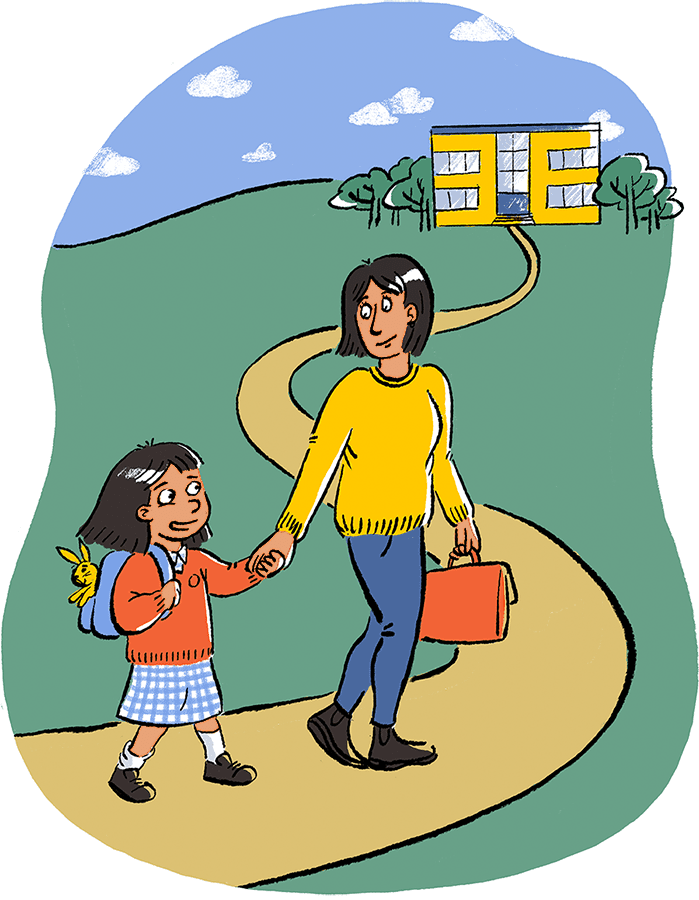
Cartoon of a parent and child on their way to school -
Cartoon of a parent and child -
Cartoon of a child singing using a wooden spoon as a pretend microphone -
Cartoon of a child eating soup while a small dog watches -
Cartoon of a child and cat building blocks -
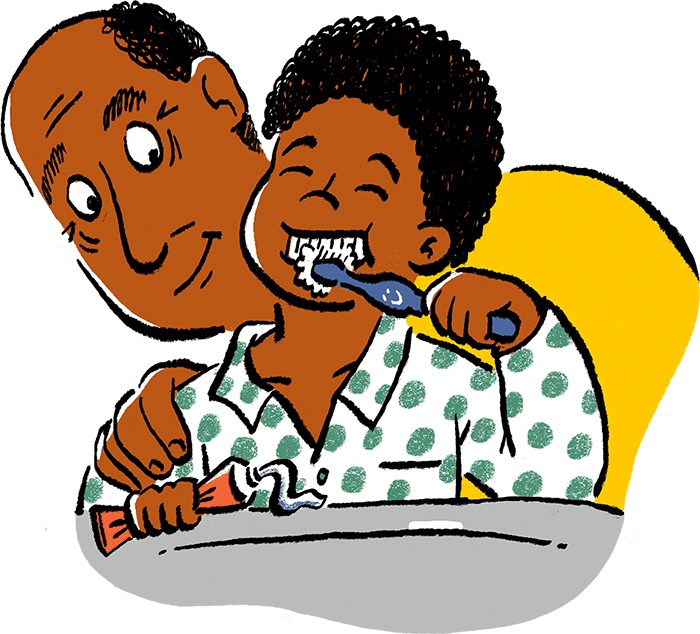
Cartoon of a child brushing teeth -
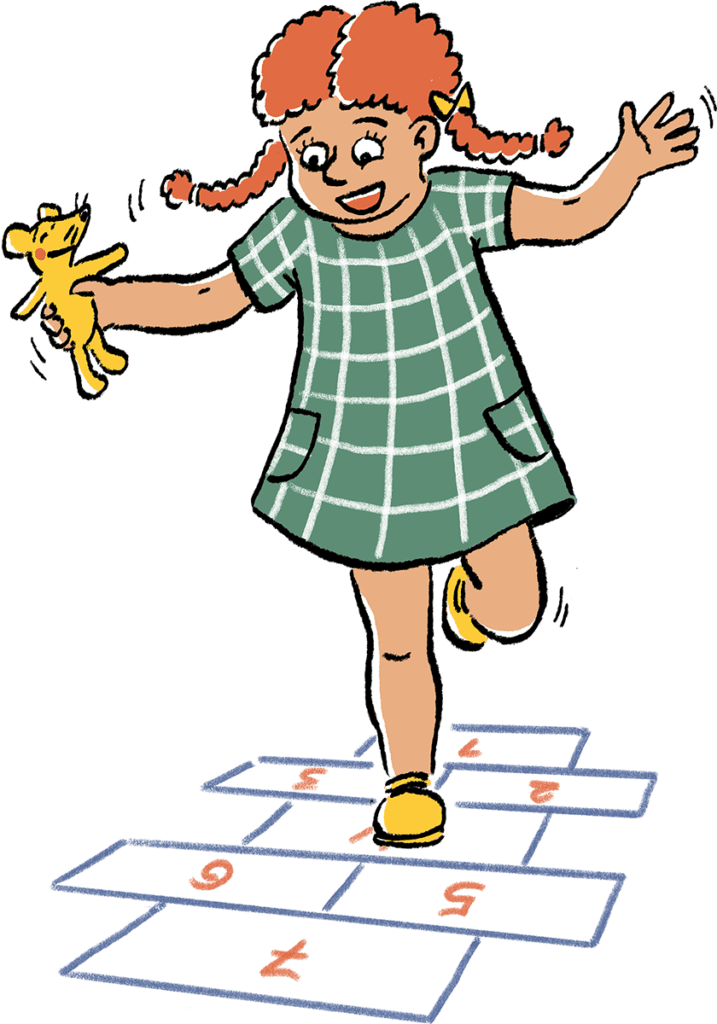
Cartoon of a child holding a toy mouse playing hopscotch -
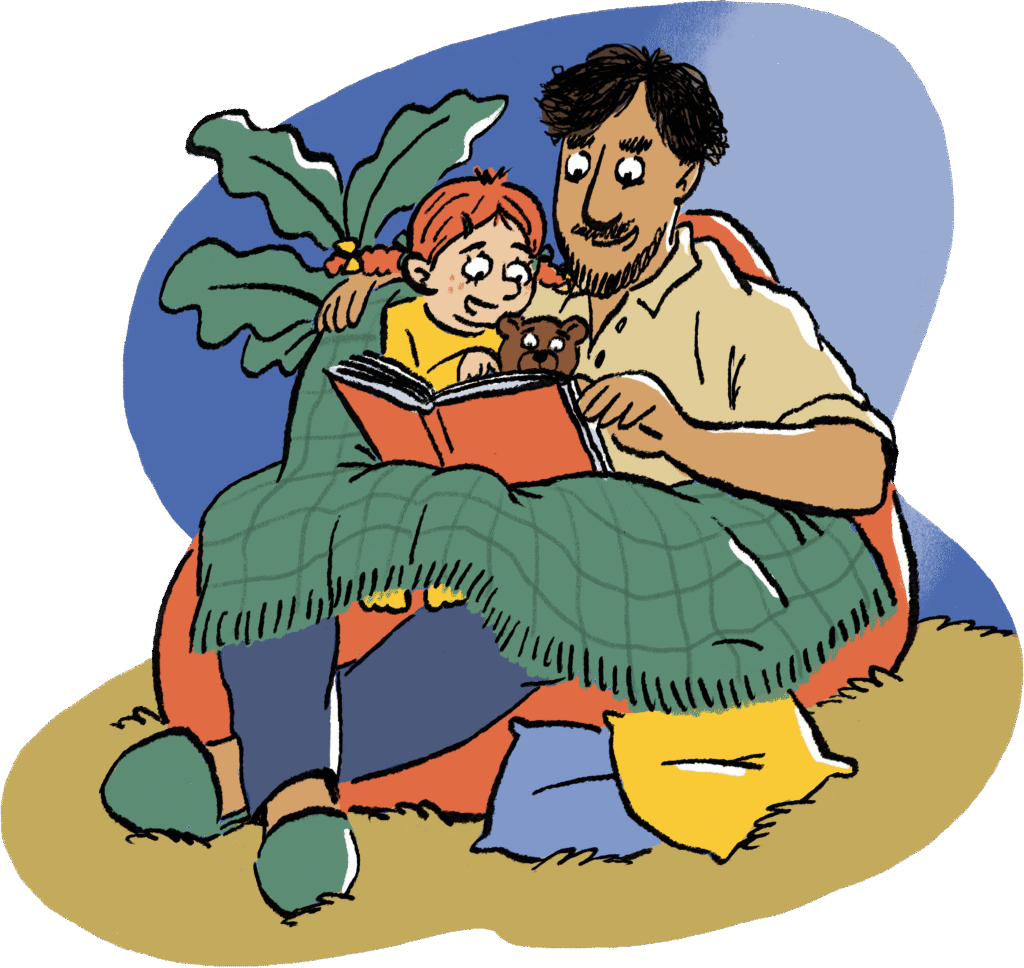
Child and parent reading together -
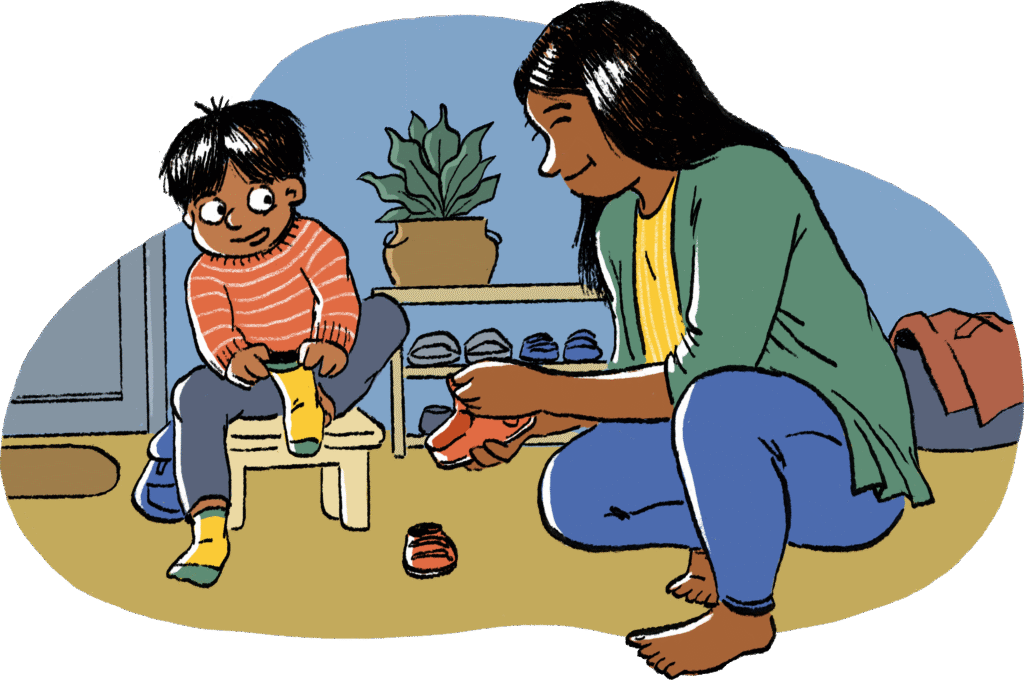
Child putting on their socks with parent supporting them



Free marketing assets
The Starting Reception A5 flyer
An editable Starting Reception poster
A QR code and template copy for emails and webpages
Starting Reception social media assets
Download the Starting Reception social media assets. The document also comes with instructions.
How to share Starting Reception with families
For nurseries, pre-schools, childminders and other early years settings
- Share પ્રારંભિક ગ્રહણશીલતા(opens in new tab) with families on your website, in emails, newsletters and on social media. National offer day in April each year is a great opportunity to promote Starting Reception.
- Display our Starting Reception poster(opens in new tab) in your setting or create your own using our ready-made QR code.
- Print the definition (you can even add your own logo) and hand out copies to families during transition meetings and/or when children first join the pre-school room.
- Watch the 60-minute webinar(opens in new tab) and discover top tips to help strengthen your school readiness.
For schools
- Link to પ્રારંભિક ગ્રહણશીલતા on your school website (e.g. on your admissions page).
- Include a link to પ્રારંભિક ગ્રહણશીલતા in email communications to new families and on your social media channels.
- Print the definition (you can even add your own logo) and hand out copies to families on open days, during welcome evenings, transition visits etc...
- Display our Starting Reception poster in your school or create your own using our ready-made QR code.
- Discuss Starting Reception with feeder nurseries to align expectations and to increase awareness of any families who may be at risk and need extra support.
- Watch the 60-minute webinar and discover top tips to help strengthen your school readiness.
For local authorities
- Share પ્રારંભિક ગ્રહણશીલતા with colleagues – health, education, social care, libraries...everyone has a role to play in helping to set clear expectations to families.
- Share પ્રારંભિક ગ્રહણશીલતા with schools and early years settings by email and in meetings.
- Include a link to પ્રારંભિક ગ્રહણશીલતા on the admissions pages of your website and in admissions emails.
- Print the definition (you can even add your own logo) and make copies available through schools, early years settings, family hubs, GPs and health visiting teams.
- Promote પ્રારંભિક ગ્રહણશીલતા on your social media channels.
- Watch the 60-minute webinar and discover top tips to help strengthen your school readiness.
For libraries
- Guidance(opens in new tab) for libraries using the Starting Reception Definition.

Guidance on setting clear expectations with parents
For practitioners in early years settings
For educators in schools
Bonus Starting Reception resources to share with families
Activity Guide
Fun activity ideas to try at home to get your child ready for school.
Things I'm learning to do
Use the Starting Reception Things I'm learning to do template to encourage your child's efforts when practising the Starting Reception skills at home.
Examples of practice
Local Authorities
Find out more about how local authorities like Doncaster, Lincolnshire and Newcastle are using the Starting Reception definition here.
Schools
Find out more about how schools in Kemnal and Oasis Multi Academy Trusts are using the Starting Reception definition here.
Nurseries
Find out more about how nurseries like Ark Start are using the Starting Reception definition here.