Early Years Toolkit
Support for the sector
Free, ready-to-use assets and messaging to promote Starting Reception.
Making the most of Starting Reception
In this section, find information specifically for professionals working in early years settings, schools and local authorities. All content is free to use and publish. We ask that you do not change the definition and credit startingreception.co.uk.
Not sure what Starting Reception is? Read our FAQs.

Customise the Starting Reception definition for your organisation
The free Starting Reception booklet
Instructions for adding your own logo to the Starting Reception booklet
- To add your logo to the PDF: We have left space for your logo on the front cover of the PDF in the top right corner. Download the document, open it in any PDF editing software and drag your logo onto the top right hand corner.
- اگر آپ کو سافٹ ویئر کے ساتھ پریشانی ہو رہی ہے تو براہ کرم 'پی ڈی ایف میں ترمیم کریں' فنکشن کو استعمال کریں۔ ILovePDF (مفت اور رجسٹریشن کی ضرورت نہیں)۔ 'پی ڈی ایف فائل منتخب کریں' پر کلک کریں اور ابتدائی استقبالیہ پی ڈی ایف اپ لوڈ کریں۔ پھر 'تصویر شامل کریں' کو منتخب کریں، اپنے اسکول/تنظیم کا لوگو منتخب کریں اور آن لائن ایڈیٹر میں پوزیشن/اس کا سائز تبدیل کریں۔ آخر میں، 'پی ڈی ایف میں ترمیم کریں' پر کلک کریں اور پھر 'پی ڈی ایف ڈاؤن لوڈ کریں' پر کلک کریں۔
- To add details of local services or notes: there is a large amount of space on the back page where you can add your own text.
Content from Starting Reception which is easy to copy and paste
استقبالیہ شروع کرنا
آپ کے بچے کا اسکول جانے کا سفر گھر سے شروع ہوتا ہے۔
ہم سمجھتے ہیں کہ تمام بچے اپنی رفتار سے نشوونما پاتے ہیں، اور یہ کہ ہم سب پیدائش سے سیکھ رہے ہیں۔ جب اسکول جانے کا وقت آتا ہے، تو کچھ بچوں کو دوسروں کے مقابلے میں زیادہ مدد کی ضرورت ہو گی۔
کچھ اہم مہارتیں* ہیں جن کے بارے میں اسکول توقع کرتے ہیں کہ زیادہ تر بچے انہیں اپنے پہلے دن سے قبل سیکھنا شروع کر دیں گے۔ ان پر عمل کرنے سے آپ کے بچے کا استقبالیہ تک کا سفر زیادہ سے زیادہ مثبت ہو جائے گا۔
اگر آپ کا بچہ پہلے ہی نرسری میں ہے، پری اسکول میں ہے، یا چائلڈ مائنڈر کے ساتھ ہے، تو وہ پیشہ ور افراد آپ اور آپ کے بچے کے ساتھ کام کریں گے تاکہ انہیں تیار کرنے میں مدد مل سکے۔
آپ اپنے بچے کے اعتماد اور خود مختاری کو بڑھانے کے لئے گھر پر بہت کچھ کر سکتے ہیں، جس سے انہیں اسکول شروع کرنے کے لئے جذباتی اور عملی طور پر تیار محسوس کرنے میں مدد ملے گی۔
*ہم اس دستاویز کو 'استقبالیہ شروع کرنا' کی تعریف کہہ رہے ہیں۔ کچھ لوگ/تنظیمیں اسے 'اسکول کی تیاری' کے طور پر جانتے ہیں۔
میں اپنے بچے کو تیار کرنے میں کیسے مدد کر سکتا ہوں؟
- جب آپ کا بچہ اسکول شروع کرتا ہے تو اس کے پاس عادی ہونے کے لئے بہت ساری نئی سرگرمیاں اور معمولات ہوں گے۔ کچھ چیزیں ہیں جنہیں انہیں پہلے سے زیادہ خود مختاری کے ساتھ کرنے کی ضرورت ہو گی۔
- Research shows that a child’s relationship with their parents is the most important factor in their development, and there’s a lot you can do at home.
- جب آپ کا بچہ آپ یا کسی دوسرے نگہداشت کار کے ساتھ گھر پر ہوتا ہے، تو آپ ایک خاندان کے طور پر دلچسپ سرگرمیوں کے ساتھ مشق کر سکتے ہیں (ہم نے اس وسیلے کے آخر میں لنکس شامل کیے ہیں)۔
- ان میں سے کچھ مہارتوں میں مہارت حاصل کرنے میں وقت لگتا ہے، اس لیے یہ بہتر ہے کہ انہیں آہستہ آہستہ اپنے روزمرہ کے معمولات کا حصہ بنایا جائے۔
اگر میرے بچے کی اضافی ضروریات ہیں تو کیا ہو گا؟
- اگر آپ کے بچے کو استقبالیہ میں سیٹ ہونے کے لئے اضافی معاونت کی ضرورت ہو، تو اس بات کو یقینی بنائیں کہ آپ ان کے نئے استاد کے ساتھ زیادہ سے زیادہ معلومات کا اشتراک کریں۔ وہ آپ کے ساتھ مل کر آپ کے بچے کی معاونت کے لیے حکمت عملیاں تلاش کر سکتے ہیں۔
- موسم گرما میں پیدا ہونے والے بچے، یا اضافی زبان (EAL) کے طور پر انگریزی بولنے والوں کو زیادہ معاونت کی ضرورت ہو سکتی ہے۔
- اگر آپ جانتے ہیں یا آپ کو شک ہو کہ آپ کے بچے کو خصوصی تعلیمی ضروریات (SEND) یا نشوونمائی اختلافات یا تاخیر کا سامنا ہے، تو ہو سکتا ہے ان میں سے کچھ مہارتیں اس وقت حاصل کرنا ان کے لیے ممکن نہ ہو۔
- ابتدائی معاونت بہت زیادہ فرق ڈال سکتی ہے - مدد کے لئے اپنے بچے کی نرسری، اسکول، ہیلتھ وزیٹر، بچوں کے مقامی مرکز یا خاندانی مرکز سے پوچھیں
میں مدد کے لئے کس سے بات کر سکتا ہوں؟
تمام بچوں کو استقبالیہ شروع کرنے کے بارے میں اعتماد اور پرجوش محسوس کرنے کے لئے اپنے قابل اعتماد بالغوں کی مدد کی ضرورت ہوتی ہے۔
- اگر آپ کو مزید معلومات کی ضرورت ہو تو آپ کا چائلڈ مائنڈر/نرسری/پری اسکول ٹیم یا آپ کا ہیلتھ وزیٹر، بچوں کا مرکز یا خاندانی مرکز آپ کی مدد کر سکتا ہے۔
- ہم نے نیچے تنظیموں اور وسائل کی فہرست بھی تیار کی ہے تاکہ آپ اور آپ کے بچے کو مل کر تیار ہونے میں مدد ملے۔
The definition: skills to practice before starting Reception
New skills take time to learn. Practicing at home will help your child move into school more easily and with confidence.
بڑھتی ہوئی خود مختاری
اپنی دیکھ بھال کرنا
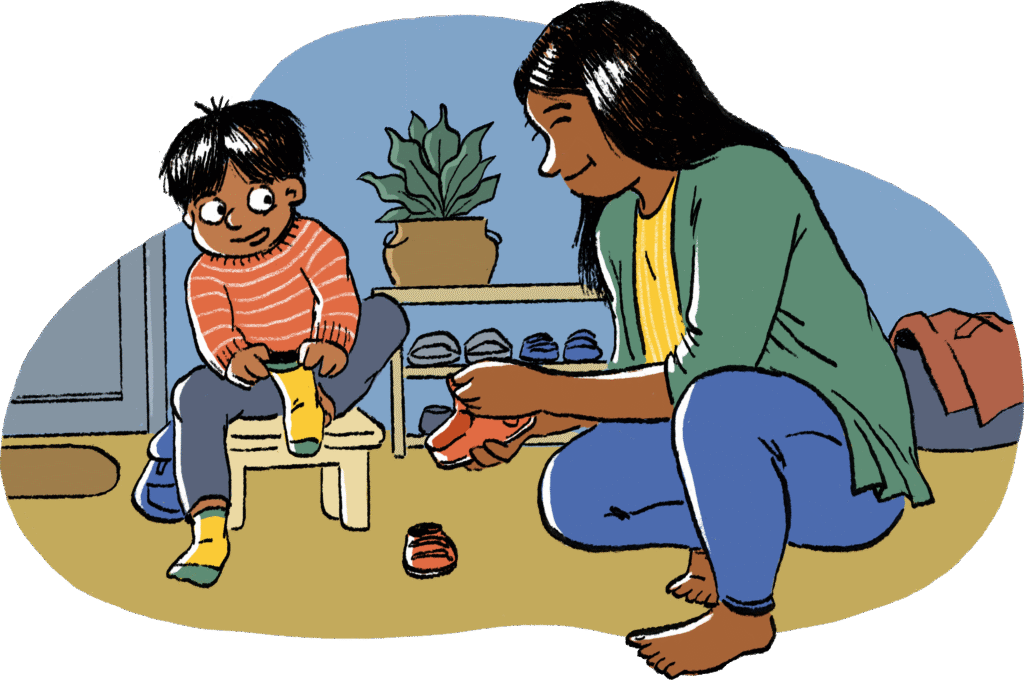
- اپنے کوٹ اور جوتے پہننا/اتارنا
- بیت الخلا استعمال کرنا اور اپنے ہاتھ دھونا
- تھوڑی سی مدد کے ساتھ کپڑے پہننا، مثال کے طور پر بیت الخلا استعمال کرنے کے بعد یا PE کرنے کے بعد
- کٹلری کا استعمال (مثال کے طور پر کانٹا اور چمچ، چاپ اسٹکس) اور کھلے کپ سے پینا
- آپ سے دور وقت گزارنا، اور یہ سیکھنا کہ نگہداشت کرنے والے بالغ ان کی دیکھ بھال کر سکتے ہیں
کھیل، تخلیقی صلاحیت اور تجسس
- تخیلاتی کھیل میں حصہ لینا (مثال کے طور پر کردار ادا کرنا)
- ڈرائنگ، پینٹنگ، رنگ بھرنا اور چیزیں چپکانا
- Counting, building and doing puzzles
- کہانی کی کتابوں کا اشتراک کرنا، تصاویر دیکھنا اور کرداروں کے بارے میں بات کرنا
- Exploring the world around them (e.g. looking closely at the natural world, noticing numbers, patterns and shapes, playing safely with objects at home)
تعلقات بنانا اور مواصلت کرنا
دوسروں کے ساتھ وقت گزارنا
- کھلونوں کے ساتھ باری باری کھیلنے اور بانٹنے کی مشق کرنا
- ان سے بات کرنا کہ وہ کیسا محسوس کر رہے ہیں اور کیوں
- کہانی کی کتابوں کو ساتھ پڑھنا اور کرداروں کے جذبات پر بات کرنا ایسا کرنے کا ایک اچھا طریقہ ہے
- یہ سمجھنا شروع کرنا کہ دوسرے کیا محسوس کر رہے ہیں، مثال کے طور پر یہ سمجھنا کہ آیا کوئی دوست اداس ہے
- انہیں اپنے اور دوسروں کے لئے حدود مقرر کرنے کی ترغیب دینا (مثلاً یہ جاننا کہ ’نہیں‘ کیسے کہنا ہے)
مواصلت اور زبان
- گانے اور نرسری نظمیں گنگنانا
- دوسروں سے سرگرمیوں، تجربات اور ان کے ارد گرد کی دنیا کے بارے میں خوشی خوشی بات کرنا
- واضح طور پر بول کر مدد کی ضرورت کو ظاہر کرنا (بنیادی انگریزی یا اشاروں کی زبان میں)
- اپنے نام کے انداز کو پہچاننا (تاکہ وہ اسے اپنے کوٹ کی کھونٹی یا جیکٹ پر تلاش کر سکیں)
سننا اور مشغول ہونا
- مختصر وقت کے لئے توجہ دینا
- آسان ہدایات کو سننا اور ان پر عمل کرنا
- مشکل ہونے کے باوجود کام کو جاری رکھنا اور اگر کچھ غلط ہو جائے تو دوبارہ حوصلہ پانا
جسمانی نشوونما
دن میں کم از کم تین گھنٹے حرکت کرنا
- سیڑھیاں چڑھنا اور اترنا (ایک وقت میں ایک پاؤں، سہارے کے لئے دیوار کا استعمال کرتے ہوئے)
- چڑھنا، دوڑنا، چھلانگ لگانا اور کھیلنا
- ایک بڑی گیند پکڑنا (زیادہ تر وقت)
- آسان پہیلیاں اور دستکاری کی سرگرمیاں کرنا، کاٹنے اور چیزیں چپکانے کے ساتھ اپنی گرفت مضبوط کرنا
صحت مند معمولات
- ہر رات تقریباً ایک ہی وقت پر سونا اور اسکول کے لیے تیار ہونے کے لیے وقت پر جاگنا
- اسکرین پر گزارے وقت کو تجویز کردہ یومیہ مقدار تک محدود کرنا (مشورہ دیکھیں)
- صحت مند غذا کھانا اور نئے کھانے آزمانا
- دن میں دو بار فلورائیڈ ٹوتھ پیسٹ سے دانت صاف کرنا (آپ کو کم از کم 7 سال کی عمر تک اس کی نگرانی کرنے کی ضرورت ہو گی)
اگر مجھے اپنے بچے کی نشوونما کے بارے میں خدشات ہیں تو مجھے کیا کرنا چاہیئے؟
- اگر آپ اپنے بچے کی پیشرفت کے بارے میں فکر مند ہیں، تو اپنے چائلڈ مائنڈر/نرسری/پری اسکول ٹیم، ہیلتھ وزیٹر، بچوں کے مقامی مرکز یا خاندانی مرکز سے بات کریں۔
- اگر آپ کے بچے کی نشوونما میں تاخیر یا SEND (مشتبہ یا تصدیق شدہ) ہے، تو ان کے استقبالیہ شروع کرنے سے پہلے ان کی نرسری، چائلڈ مائنڈر، یا ہیلتھ وزیٹر/نرسری/پری اسکول ٹیم سے بات کریں اور جب آپ اسکولوں کا انتخاب کر رہے ہوں تو ان کی ضروریات پر تبادلہ خیال کریں۔
- آپ اپنے بچے کے ابتدائی سالوں کی سیٹنگ کے ساتھ کام کر سکتے ہیں تاکہ ذاتی نگہداشت، جذبات کو سنبھالنے، سماجی مہارتوں اور مواصلت میں ان کے نشوونمائی مرحلے کے مطابق بچے کی مدد کی جا سکے۔
- آپ اس بارے میں تفصیلات شیئر کرنا چاہ سکتے ہیں جیسے: ان کی نشوونما، ضروریات، کیا چیز انہیں متحرک کرتی ہے، کیا چیز مشکلات کا سبب بن سکتی ہے، وہ بہترین طریقے سے کیسے سیکھتے ہیں، اور کون سی حکمت عملیاں مؤثر طریقے سے کام کرتی ہیں۔
- اس بات کو یقینی بنائیں کہ آپ اپنے بچے کی معاونت کرنے والے ہر فرد کے ساتھ اہم معلومات شیئر کرتے ہیں، بشمول ان کے نئے استقبالیہ کے استاد۔
اضافی ضروریات رکھنے والے خاندانوں کے لئے وسائل:
ایسی بہت سی تنظیمیں ہیں جو آپ کو معلومات اور حکمت عملیوں کے ساتھ معاونت فراہم کر سکتی ہیں تاکہ آپ، آپ کے بچے اور ان کے تعلیمی ماحول کو تیار کیا جا سکے، ایک ہموار منتقلی کو یقینی بنایا جا سکے اور ان کے لیے مستقبل میں کامیابی کا راستہ بنایا جا سکے۔
ان میں شامل ہیں:
- خاندانی زندگیاں (Family Lives)
- بول چال اور زبان برائے برطانیہ (Speech and Language UK)
- ڈنگلے کی عہد بندی (Dingley’s Promise)
- KIDS
<h1>استقبالیہ شروع کرنا</h1>
<h2>آپ کے بچے کا اسکول جانے کا سفر گھر سے شروع ہوتا ہے۔</h2>
<p>ہم سمجھتے ہیں کہ تمام بچے اپنی رفتار سے نشوونما پاتے ہیں، اور یہ کہ ہم سب پیدائش سے سیکھ رہے ہیں۔ جب اسکول جانے کا وقت آتا ہے، تو کچھ بچوں کو دوسروں کے مقابلے میں زیادہ مدد کی ضرورت ہو گی۔</p>
<p>کچھ اہم مہارتیں* ہیں جن کے بارے میں اسکول توقع کرتے ہیں کہ زیادہ تر بچے انہیں اپنے پہلے دن سے قبل سیکھنا شروع کر دیں گے۔ ان پر عمل کرنے سے آپ کے بچے کا استقبالیہ تک کا سفر زیادہ سے زیادہ مثبت ہو جائے گا۔</p>
<p>اگر آپ کا بچہ پہلے ہی نرسری میں ہے، پری اسکول میں ہے، یا چائلڈ مائنڈر کے ساتھ ہے، تو وہ پیشہ ور افراد آپ اور آپ کے بچے کے ساتھ کام کریں گے تاکہ انہیں تیار کرنے میں مدد مل سکے۔</p>
<p>آپ اپنے بچے کے اعتماد اور خود مختاری کو بڑھانے کے لئے گھر پر بہت کچھ کر سکتے ہیں، جس سے انہیں اسکول شروع کرنے کے لئے جذباتی اور عملی طور پر تیار محسوس کرنے میں مدد ملے گی۔</p>
<em>*We are calling this document the ‘Starting Reception’ definition. Some people/organisations refer to this as ‘school readiness’.</em>
<p>
<strong>میں اپنے بچے کو تیار کرنے میں کیسے مدد کر سکتا ہوں؟</strong>
<ul>
<li>Your child will have lots of new activities and routines to get used to when they start school. There are some things they’ll need to do more independently than they might have before.</li>
<li>Research shows that a child’s relationship with their parents is the most important factor in their development, and there’s a lot you can do at home.</li>
<li>When your child is at home with you or another caregiver, you can practise as a family with fun activities (we’ve included links at the end of this resource).</li>
<li>Some of these skills take time to master, so it’s good to introduce them gradually as part of your daily routine.</li>
</ul>
<strong>اگر میرے بچے کی اضافی ضروریات ہیں تو کیا ہو گا؟</strong>
<ul>
<li>If your child needs additional support to settle into Reception, make sure you share as much information as possible with their new teacher. They can work with you to find strategies to support your child.</li>
<li>Summer born children, or those speaking English as an additional language (EAL) may need more support.</li>
<li>If you know or suspect your child has special educational needs (SEND), developmental differences or delays, some of these skills may not be achievable for them at this point.</li>
<li>Early support makes a big difference – ask your child’s nursery, school, health visitor, local children’s centre or family hub for help.</li>
</ul>
<strong>میں مدد کے لئے کس سے بات کر سکتا ہوں؟</strong>
تمام بچوں کو استقبالیہ شروع کرنے کے بارے میں اعتماد اور پرجوش محسوس کرنے کے لئے اپنے قابل اعتماد بالغوں کی مدد کی ضرورت ہوتی ہے۔
<ul>
<li>Your childminder/nursery/pre-school team or your health visitor, children’s centre or family hub can help if you need more information.</li>
<li>We’ve also put together a list of organisations and resources further down to help you and your child get ready together.</li>
</ul>
<strong>The definition: skills to practice before starting Reception</strong>
<p>New skills take time to learn. Practicing at home will help your child move into school more easily and with confidence.</p>
<h3>بڑھتی ہوئی خود مختاری</h3>
<strong>اپنی دیکھ بھال کرنا</strong>
<ul>
<li>Putting on/taking off their coat and shoes</li>
<li>Using the toilet and washing their hands</li>
<li>Getting dressed with little help, e.g. after using the toilet or doing PE</li>
<li>Using cutlery (e.g. fork and spoon, chopsticks) and drinking from an open cup</li>
<li>Spending time away from you, learning they can be looked after by caring adults</li>
</ul>
<strong>کھیل، تخلیقی صلاحیت اور تجسس</strong>
<ul>
<li>Taking part in imaginative play (e.g. role play)</li>
<li>Drawing, painting, colouring and sticking</li>
<li>Counting, building and doing puzzles</li>
<li>Sharing story books with caregivers, looking at pictures and talking about the characters</li>
<li>Exploring the world around them (e.g. looking closely at the natural world, noticing numbers, patterns and shapes, playing safely with objects at home)</li>
</ul>
<h3>تعلقات بنانا اور مواصلت کرنا</h3>
<strong>دوسروں کے ساتھ وقت گزارنا</strong>
<ul>
<li>Practising sharing and taking turns with toys</li>
<li>Talking to them about how they are feeling and why</li>
<li>Looking at story books together and speaking about what characters are feeling is a good way to do this</li>
<li>Beginning to recognise what others are feeling, e.g. understanding if a friend is sad</li>
<li>Encouraging them to set boundaries for themselves and others (e.g. knowing how to say ‘no’)</li>
</ul>
<strong>مواصلت اور زبان</strong>
<ul>
<li>Singing along with songs and nursery rhymes</li>
<li>Talking happily to others about activities, experiences and the world around them</li>
<li>Showing they need help by speaking clearly (in basic English or sign language)</li>
<li>Recognising the pattern of their name (so they can find it on their coat peg or jacket)</li>
</ul>
<strong>سننا اور مشغول ہونا</strong>
<ul>
<li>Paying attention for short periods of time</li>
<li>Listening to and following simple instructions</li>
<li>Carrying on with a task even when it’s difficult and bouncing back if things go wrong</li>
</ul>
<h3>جسمانی نشوونما</h3>
<strong>دن میں کم از کم تین گھنٹے حرکت کرنا</strong>
<ul>
<li>Walking up and down steps (one foot at a time, using the wall for support)</li>
<li>Climbing, running, jumping and playing</li>
<li>Catching a large ball (most of the time)</li>
<li>Doing simple puzzles and craft activities, strengthening their grip with cutting and sticking</li>
</ul>
<h3>صحت مند معمولات</h3>
<ul>
<li>Going to bed around the same time each night, waking up in time to get ready for school</li>
<li>Limiting screen time to the recommended daily amounts (see advice)</li>
<li>Eating a healthy diet and trying new foods</li>
<li>Brushing their teeth with fluoride toothpaste twice a day (you’ll need to supervise this until they are at least 7)</li>
</ul>
<strong>اگر مجھے اپنے بچے کی نشوونما کے بارے میں خدشات ہیں تو مجھے کیا کرنا چاہیئے؟</strong>
<ul>
<li>If you're worried about your child's progress, talk to your childminder/nursery/pre-school team, health visitor, local children's centre or Family Hub.</li>
<li>If your child has developmental delays or SEND (suspected or confirmed), speak to their nursery, childminder, or health visitor/nursery/pre-school team well before they start Reception and discuss their needs when you are selecting schools.</li>
<li>You can work with your child’s early years setting to help your child with self-care, managing emotions, social skills and communication in a way that suits their stage of development.</li>
<li>You might want to share details about: their development, needs, what motivates them, what might trigger difficulties, how they learn best, and what strategies work well.</li>
<li>Make sure you share important information with everyone supporting your child, including their new Reception teacher.</li>
</ul>
<strong>اضافی ضروریات رکھنے والے خاندانوں کے لئے وسائل:</strong>
<p>ایسی بہت سی تنظیمیں ہیں جو آپ کو معلومات اور حکمت عملیوں کے ساتھ معاونت فراہم کر سکتی ہیں تاکہ آپ، آپ کے بچے اور ان کے تعلیمی ماحول کو تیار کیا جا سکے، ایک ہموار منتقلی کو یقینی بنایا جا سکے اور ان کے لیے مستقبل میں کامیابی کا راستہ بنایا جا سکے۔</p>
ان میں شامل ہیں:
<ul>
<li><a href="https://www.familylives.org.uk/">خاندانی زندگیاں (Family Lives)</a></li>
<li><a href="https://speechandlanguage.org.uk/">بول چال اور زبان برائے برطانیہ (Speech and Language UK)</a></li>
<li><a href="https://dingley.org.uk/">ڈنگلے کی عہد بندی (Dingley’s Promise)</a></li>
<li><a href="https://www.kids.org.uk/">KIDS</a></li>
</ul>
بڑھتی ہوئی خود مختاری
بڑھتی ہوئی خود مختاری
- Parentkind کے آن لائن مشورہ جاتی مرکز اور والدین کے لیے میگزین ’اسکول کے لیے تیار رہیں‘ کو چیک کریں (Parentkind)
- اپنے بچے کو استقبالیہ کے لئے تیار کرنے میں مدد کرنے کے لئے فیملی کارنر کی 5 تجاویز سے لطف اٹھائیں (Family Corner)
- والدین اور پریکٹشنرز کے لئے رہنمائی (PACEY)
- مفت EasyPeasy موبائل ایپ ڈاؤن لوڈ کریں، جو روزمرہ کے بچوں کی پرورش کے لمحات میں معاونت کے لیے تجاویز اور سرگرمیاں فراہم کرتی ہے (EasyPeasy)
اپنی دیکھ بھال کرنا
- آپ علیحدگی کو کیسے آسان بنا سکتے ہیں؟ (Family Corner)
- کپڑے پہننا اور دن کے لئے تیار ہونا (NHS)
- کپڑے پہننا اور دن کے لئے تیار ہونا (BBC Tiny Happy People)
ٹوائلٹ کی تربیت
- انسٹی ٹیوٹ آف ہیلتھ وزیٹنگ ٹوائلٹ ٹریننگ کے بارے میں مفید مشورے اور تجاویز فراہم کرتا ہے (The Institute of Health Visiting)
- سادہ اور معاون ٹوائلٹ ٹریننگ کے مشورے (ERIC)
- سادہ اور معاون ٹوائلٹ ٹریننگ کے مشورے (NHS)
- سادہ اور معاون ٹوائلٹ ٹریننگ کے مشورے (Downs Syndrome UK)
کھیل، تخلیقی صلاحیت اور تجسس
- تعامل اور ردعمل کے ذریعے ذہنی نشوونما کے لئے 5 مراحل (Center on the Developing Child, Harvard University)
- بچے کی کھیل میں دلچسپی کو کیسے فالو کریں (National Literacy Trust)
- اپنے بچے کے ساتھ کردار ادا کرنے کا طریقہ (BBC Tiny Happy People)
- اپنے بچے کے ساتھ کردار ادا کرنے کا طریقہ (BBC Tiny Happy People)
- ڈرائنگ کے ساتھ ان کے تخیل کو آگ لگائیں۔ (BBC Tiny Happy People)
- نشان لگانے کا عمل کیا ہے اور یہ سیکھنے کے لیے کیوں اہم ہے؟ (PACEY)
- کتابوں کے عالمی دن کے موقع پر کہانیوں کی کتابیں بانٹنا (BBC Tiny Happy People)
- بچوں کے لئے فطری سرگرمیاں (BBC Tiny Happy People)
- بس میں سیکھنا اور مزہ کرنا (BBC Tiny Happy People)
- 'وہ آواز کیا ہے؟' کا ایک گیم کھیلیں۔ (BBC Tiny Happy People)
- Give your child the best start in maths - ECMG
- Everyday activities to help your child with maths – ECMG
- Six Fat Sausages number rhyme - BBC
تعلقات بنانا اور مواصلت کرنا
- دی رائل فاؤنڈیشن مرکز برائے ابتدائی بچپن کا ہماری تشکیل کا فریم ورک وضاحت کرتا ہے کہ یہ مہارتیں ابتدائی بچپن میں کیسے نشوونما پاتی ہیں (The Royal Foundation)
- ایک ساتھ کہانیوں سے لطف اندوز ہونے کے لیے اہم نکات اور اسکول شروع کرنے کے لیے کتاب کی سفارشات (BookTrust)
دوسروں کے ساتھ وقت گزارنا
- دوست بنانے کے لئے اپنے بچے کی معاونت کرنے کا طریقہ سیکھیں (Family Corner)
- اپنے بچے کی سماجی نشوونما کو سمجھیں (Words for Life)
- کھلونوں کے ذریعے بانٹنے کی مشق کریں (BBC Tiny Happy People)
مواصلت اور زبان
- آپ اپنے بچے کے پہلے استاد ہیں - اپنا نام لکھنے کا طریقہ سیکھنے میں ان کی مدد کریں (Words for Life)
- زبان سیکھنے اور نشوونما کے مختلف طریقے دریافت کریں (NHS)
- مل کر کہانیاں بنا کر اپنے بچے کے تخیل اور زبان کو مضبوط کریں (BBC Tiny Happy People)
- بچے کی ترقی کی جانچ کرنے والا (Speech & Language UK)
سننا اور مشغول ہونا
صحت مند معمولات
سمجھیں کہ عمر کے لحاظ سے اسکرین پر وقت گزارنے کی 'صحت مند' سطح کیا ہے
انٹرنیٹ کے تحفظ، اسکرین کے استعمال کے بچوں پر اثرات اور تجویز کردہ اسکرین پر گزارے وقت کے بارے میں معلومات حاصل کریں
اور چھوٹے بچوں والے افراد کے لئے، NCT شیر خوار بچوں اور نومولود بچوں کے لئے بھی مشورے فراہم کرتا ہے
بچوں کو غذا کے ساتھ مضبوط تعلق قائم کرنے اور ابتدا سے ہی درست فیصلے کرنے میں مدد فراہم کریں
- (The Department for Education)
- (NHS)
- (BBC Tiny Happy People)
- (First Steps Nutrition Trust)
- بچوں کی صحت مند غذائی عادات کے لیے فیکٹ شیٹ (Association of UK Dieticians)
بچوں کے دانت برش کرنا اور دانتوں کے ڈاکٹر کے پاس جانا
نیند کے حوالے سے رہنمائی
<h2>بڑھتی ہوئی خود مختاری</h2>
<h3>بڑھتی ہوئی خود مختاری</h3>
<ul>
<li><a href="https://www.parentkind.org.uk/for-parents/be-school-ready#heading547662" target="_blank" rel="noopener">Online advice hub and magazine for parents: 'Be School Ready' - Parentkind</a></li>
<li><a href="https://www.familycorner.co.uk/5-tips-help-your-child-prepare-transition-reception" target="_blank" rel="noopener">اپنے بچے کو استقبالیہ کے لئے تیار کرنے میں مدد کرنے کے لئے فیملی کارنر کی 5 تجاویز سے لطف اٹھائیں (Family Corner)</a></li>
<li><a href="https://www.pacey.org.uk/starting-school/" target="_blank" rel="noopener">والدین اور پریکٹشنرز کے لئے رہنمائی (PACEY)</a></li>
<li><a href="https://easypeasyapp.com/for-parents-and-carers" target="_blank" rel="noopener">مفت EasyPeasy موبائل ایپ ڈاؤن لوڈ کریں، جو روزمرہ کے بچوں کی پرورش کے لمحات میں معاونت کے لیے تجاویز اور سرگرمیاں فراہم کرتی ہے (EasyPeasy)</a></li>
</ul>
<h3>اپنی دیکھ بھال کرنا</h3>
<ul>
<li><a href="https://www.familycorner.co.uk/how-do-i-make-separating-my-toddler-easier" target="_blank" rel="noopener">آپ علیحدگی کو کیسے آسان بنا سکتے ہیں؟ (Family Corner)</a></li>
<li><a href="https://www.leicspart.nhs.uk/wp-content/uploads/2020/06/416-dressing-skills-2.pdf" target="_blank" rel="noopener">کپڑے پہننا اور دن کے لئے تیار ہونا (NHS)</a></li>
<li><a href="https://www.bbc.co.uk/tiny-happy-people/articles/zdxvy9q" target="_blank" rel="noopener">کپڑے پہننا اور دن کے لئے تیار ہونا (BBC Tiny Happy People)</a></li>
</ul>
<h3>ٹوائلٹ کی تربیت</h3>
<ul>
<li><a href="https://ihv.org.uk/wp-content/uploads/2015/10/PT-Toilet-training-FINAL-VERSION-17.04.23.pdf" target="_blank" rel="noopener">انسٹی ٹیوٹ آف ہیلتھ وزیٹنگ ٹوائلٹ ٹریننگ کے بارے میں مفید مشورے اور تجاویز فراہم کرتا ہے (The Institute of Health Visiting)</a></li>
<li><a href="https://eric.org.uk/potty-training/" target="_blank" rel="noopener">سادہ اور معاون ٹوائلٹ ٹریننگ کے مشورے (ERIC)</a></li>
<li><a href="https://www.nhs.uk/conditions/baby/babys-development/potty-training-and-bedwetting/how-to-potty-train/" target="_blank" rel="noopener">سادہ اور معاون ٹوائلٹ ٹریننگ کے مشورے (NHS)</a></li>
<li><a href="https://downsyndromeuk.co.uk/parents/toilettraining/" target="_blank" rel="noopener">سادہ اور معاون ٹوائلٹ ٹریننگ کے مشورے (Downs Syndrome UK)</a></li>
</ul>
<h3>کھیل، تخلیقی صلاحیت اور تجسس</h3>
<ul>
<li><a href="https://www.youtube.com/watch?v=KNrnZag17Ek" target="_blank" rel="noopener">5 steps for brain building through serve and return - Center on the Developing Child at Harvard University</a></li>
<li><a href="https://www.youtube.com/watch?v=uXImT5QNWpw" target="_blank" rel="noopener">بچے کی کھیل میں دلچسپی کو کیسے فالو کریں (National Literacy Trust)</a></li>
<li><a href="https://www.bbc.co.uk/tiny-happy-people/articles/zvp88xs" target="_blank" rel="noopener">اپنے بچے کے ساتھ کردار ادا کرنے کا طریقہ (BBC Tiny Happy People)</a></li>
<li><a href="https://www.bbc.co.uk/tiny-happy-people/articles/z6jggwx" target="_blank" rel="noopener">اپنے بچے کے ساتھ کردار ادا کرنے کا طریقہ (BBC Tiny Happy People)</a></li>
<li><a href="https://www.bbc.co.uk/tiny-happy-people/articles/z4j8d6f" target="_blank" rel="noopener">ڈرائنگ کے ساتھ ان کے تخیل کو آگ لگائیں۔ (BBC Tiny Happy People)</a></li>
<li><a href="https://www.pacey.org.uk/mark-making/" target="_blank" rel="noopener">نشان لگانے کا عمل کیا ہے اور یہ سیکھنے کے لیے کیوں اہم ہے؟ (PACEY)</a></li>
<li><a href="https://www.bbc.co.uk/tiny-happy-people/world-book-day" target="_blank" rel="noopener">کتابوں کے عالمی دن کے موقع پر کہانیوں کی کتابیں بانٹنا (BBC Tiny Happy People)</a></li>
<li><a href="https://www.bbc.co.uk/tiny-happy-people/articles/zj6nsk7" target="_blank" rel="noopener">بچوں کے لئے فطری سرگرمیاں (BBC Tiny Happy People)</a></li>
<li><a href="https://www.bbc.co.uk/tiny-happy-people/articles/zvcbgwx" target="_blank" rel="noopener">بس میں سیکھنا اور مزہ کرنا (BBC Tiny Happy People)</a></li>
<li><a href="https://www.bbc.co.uk/tiny-happy-people/articles/znnqmfr" target="_blank" rel="noopener">'وہ آواز کیا ہے؟' کا ایک گیم کھیلیں۔ (BBC Tiny Happy People)</a></li>
<li><a href="https://earlymaths.org/best-start-with-maths/" target="_blank" rel="noopener">Give your child the best start in maths - ECMG</a></li>
<li><a href="https://earlymaths.org/maths-postcards-for-families/" target="_blank" rel="noopener">Everyday activities to help your child with maths – ECMG</a></li>
<li><a href="https://www.bbc.co.uk/tiny-happy-people/articles/zhbx6v4" target="_blank" rel="noopener">Six Fat Sausages number rhyme - BBC</a></li>
</ul>
<h2>تعلقات بنانا اور مواصلت کرنا</h2>
<ul>
<li><a href="https://centreforearlychildhood.org/our-work/research/the-shaping-us-framework/" target="_blank" rel="noopener">دی رائل فاؤنڈیشن مرکز برائے ابتدائی بچپن کا ہماری تشکیل کا فریم ورک وضاحت کرتا ہے کہ یہ مہارتیں ابتدائی بچپن میں کیسے نشوونما پاتی ہیں (The Royal Foundation)</a></li>
<li><a href="https://www.booktrust.org.uk/how-we-help/parents-families/getting-ready-to-start-school/" target="_blank" rel="noopener">ایک ساتھ کہانیوں سے لطف اندوز ہونے کے لیے اہم نکات اور اسکول شروع کرنے کے لیے کتاب کی سفارشات (BookTrust)</a></li>
</ul>
<h3>دوسروں کے ساتھ وقت گزارنا</h3>
<ul>
<li><a href="https://www.familycorner.co.uk/how-can-i-help-my-child-make-friends" target="_blank" rel="noopener">دوست بنانے کے لئے اپنے بچے کی معاونت کرنے کا طریقہ سیکھیں (Family Corner)</a></li>
<li><a href="https://wordsforlife.org.uk/activities/milestones-4-year-olds/" target="_blank" rel="noopener">اپنے بچے کی سماجی نشوونما کو سمجھیں (Words for Life)</a></li>
<li><a href="https://www.bbc.co.uk/tiny-happy-people/articles/zxfbg7h" target="_blank" rel="noopener">کھلونوں کے ذریعے بانٹنے کی مشق کریں (BBC Tiny Happy People)</a></li>
</ul>
<h3>مواصلت اور زبان</h3>
<ul>
<li><a href="https://wordsforlife.org.uk/parent-support/when-should-my-child-be-able-to-write-their-name/" target="_blank" rel="noopener">آپ اپنے بچے کے پہلے استاد ہیں - اپنا نام لکھنے کا طریقہ سیکھنے میں ان کی مدد کریں (Words for Life)</a></li>
<li><a href="https://www.nhs.uk/start-for-life/toddler/learning-to-talk/learning-to-talk-3-to-5-years/" target="_blank" rel="noopener">زبان سیکھنے اور نشوونما کے مختلف طریقے دریافت کریں (NHS)</a></li>
<li><a href="https://www.bbc.co.uk/tiny-happy-people/articles/zbkc47h" target="_blank" rel="noopener">مل کر کہانیاں بنا کر اپنے بچے کے تخیل اور زبان کو مضبوط کریں (BBC Tiny Happy People)</a></li>
<li><a href="https://progress-checker.speechandlanguage.org.uk/" target="_blank" rel="noopener">بچے کی ترقی کی جانچ کرنے والا (Speech & Language UK)</a></li>
</ul>
<h3>سننا اور مشغول ہونا</h3>
<ul>
<li><a href="https://wordsforlife.org.uk/activities/talking-to-your-child-when-out-and-about/" target="_blank" rel="noopener">نیشنل لٹریسی ٹرسٹ کے ساتھ واک اینڈ ٹاک ٹریل پر عمل کریں (National Literacy Trust)</a></li>
<li><a href="https://www.bbc.co.uk/tiny-happy-people/articles/zb8nydm" target="_blank" rel="noopener">ان کھیلوں کے ساتھ گھر پر زبان اور سننے کی مہارتوں کی مشق کریں (BBC Tiny Happy People)</a></li>
<li><a href="https://www.bbc.co.uk/tiny-happy-people/articles/zgvthcw" target="_blank" rel="noopener">ان کھیلوں کے ساتھ گھر پر زبان اور سننے کی مہارتوں کی مشق کریں (BBC Tiny Happy People)</a></li>
</ul>
<h2>جسمانی نشوونما</h2>
<ul>
<li><a href="https://www.nhs.uk/live-well/exercise/physical-activity-guidelines-children-under-five-years/" target="_blank" rel="noopener">دن میں 3 گھنٹے حرکت کرنا (NHS)</a></li>
<li><a href="https://www.youthsporttrust.org/healthymovers/families" target="_blank" rel="noopener">اپنے بچے کو صحت مند موور بننے میں مدد کریں۔ (Youth Sport Trust)</a></li>
<li><a href="https://www.youtube.com/watch?v=xjxXBZeFcmg" target="_blank" rel="noopener">بنیادی طاقت کیا ہے اور یہ بچوں کے لئے کیوں اہم ہے؟ (The Department for Education)</a></li>
<li><a href="https://www.bbc.co.uk/tiny-happy-people/articles/zf8v3j6" target="_blank" rel="noopener">بچوں کو تحریک دینے کے لئے تفریحی کھیل (BBC Tiny Happy People)</a></li>
</ul>
<h2>صحت مند معمولات</h2>
<h3>سمجھیں کہ عمر کے لحاظ سے اسکرین پر وقت گزارنے کی 'صحت مند' سطح کیا ہے</h3>
<ul>
<li><a href="https://www.who.int/news-room/detail/24-04-2019-to-grow-up-healthy-children-need-to-sit-less-and-play-more" target="_blank" rel="noopener">World Health Organization (WHO)</a></li>
<li><a href="https://healthprofessionalsforsaferscreens.org/wp-content/uploads/2024/10/0-5_poster_HPFSS.pdf" target="_blank" rel="noopener">(Health Professionals for Safer Screens)</a></li>
</ul>
<h3>انٹرنیٹ کے تحفظ، اسکرین کے استعمال کے بچوں پر اثرات اور تجویز کردہ اسکرین پر گزارے وقت کے بارے میں معلومات حاصل کریں</h3>
<ul>
<li><a href="https://help-for-early-years-providers.education.gov.uk/health-and-wellbeing/internet-safety" target="_blank" rel="noopener">(The Department for Education)</a></li>
</ul>
<h3>اور چھوٹے بچوں والے افراد کے لئے، NCT شیر خوار بچوں اور نومولود بچوں کے لئے بھی مشورے فراہم کرتا ہے</h3>
<ul>
<li><a href="https://www.nct.org.uk/information/baby-toddler/caring-for-your-baby-or-toddler/screen-time-for-babies-and-toddlers-how-much" target="_blank" rel="noopener">(NCT)</a></li>
</ul>
<h3>بچوں کو غذا کے ساتھ مضبوط تعلق قائم کرنے اور ابتدا سے ہی درست فیصلے کرنے میں مدد فراہم کریں</h3>
<ul>
<li><a href="https://help-for-early-years-providers.education.gov.uk/health-and-wellbeing/nutrition" target="_blank" rel="noopener">(The Department for Education)</a></li>
<li><a href="https://www.nhs.uk/healthier-families/" target="_blank" rel="noopener">(NHS)</a></li>
<li><a href="https://www.bbc.co.uk/bitesize/articles/z8h7dp3" target="_blank" rel="noopener">(BBC Tiny Happy People)</a></li>
<li><a href="https://www.firststepsnutrition.org/eating-well-resources" target="_blank" rel="noopener">(First Steps Nutrition Trust)</a></li>
<li><a href="https://www.bda.uk.com/resource/healthy-eating-for-children.html" target="_blank" rel="noopener">بچوں کی صحت مند غذائی عادات کے لیے فیکٹ شیٹ (Association of UK Dieticians)</a></li>
</ul>
<h3>بچوں کے دانت برش کرنا اور دانتوں کے ڈاکٹر کے پاس جانا</h3>
<ul>
<li><a href="https://www.bbc.co.uk/tiny-happy-people/articles/z6jbydm" target="_blank" rel="noopener">(BBC Tiny Happy People)</a></li>
</ul>
<h3>نیند کے حوالے سے رہنمائی</h3>
<ul>
<li><a href="https://www.nhs.uk/conditions/baby/health/sleep-and-young-children/" target="_blank" rel="noopener">(NHS)</a></li>
<li><a href="https://www.bbc.co.uk/tiny-happy-people/articles/zyv6xbk" target="_blank" rel="noopener">(BBC Tiny Happy People)</a></li>
</ul>
Royalty-free illustrations
Click here to download all the images in a zip file. Alternatively click on an image below to open the full-size version, then right-click and choose 'Save Image As'.
-

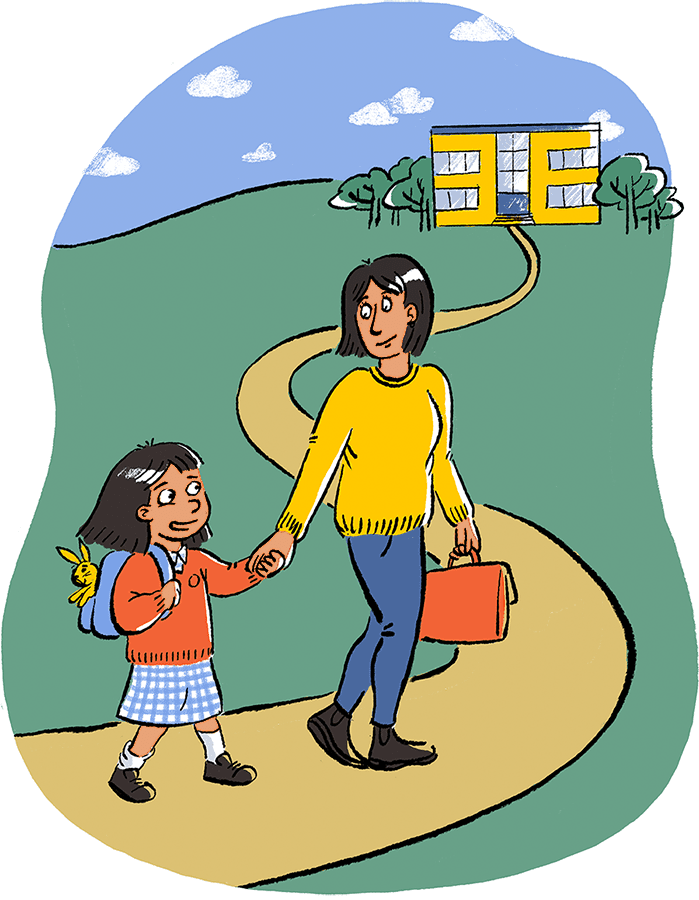
اسکول جاتے ہوئے والدین اور بچے کا کارٹون -
والدین اور بچے کا کارٹون -
ایک بچے کا کارٹون جو لکڑی کے چمچ کو بطور ڈرامہ مائکروفون استعمال کرتے ہوئے گا رہا ہے۔ -
ایک بچے کا کارٹون جو سوپ کھاتے ہوئے ایک چھوٹا کتا دیکھ رہا ہے۔ -
ایک بچے اور بلی کی عمارت کے بلاکس کا کارٹون -
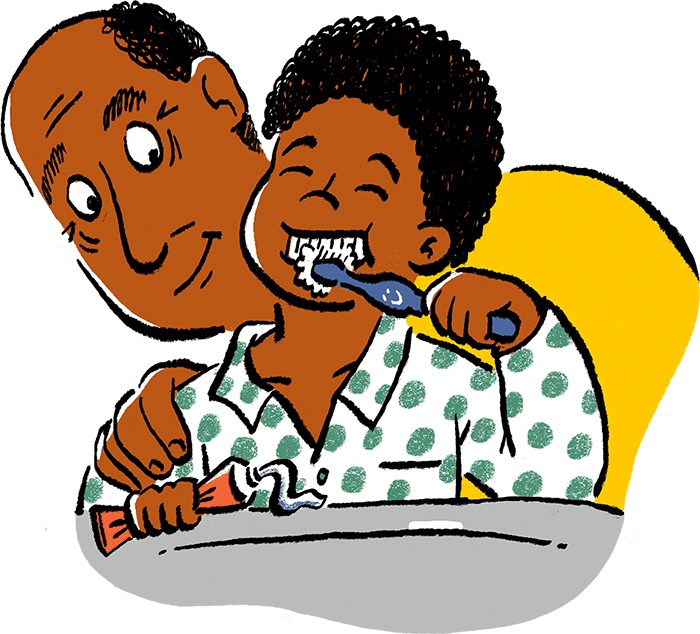
دانت صاف کرتے ہوئے بچے کا کارٹون -
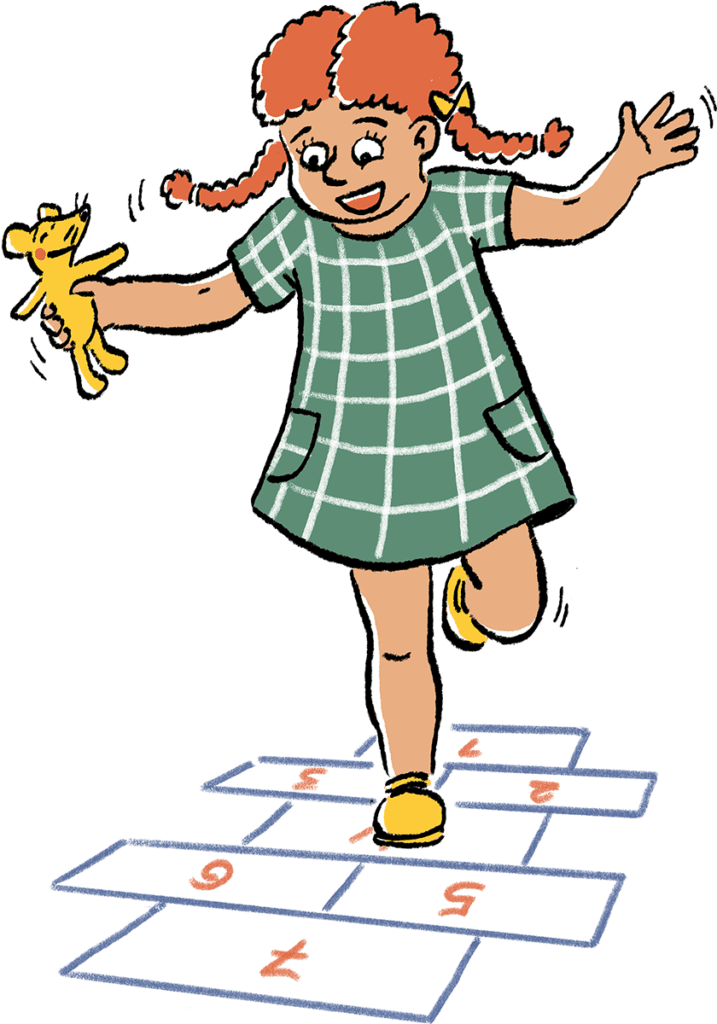
ایک بچے کا کارٹون جس میں ایک کھلونا چوہا ہاپ اسکاچ کھیل رہا ہے۔ -
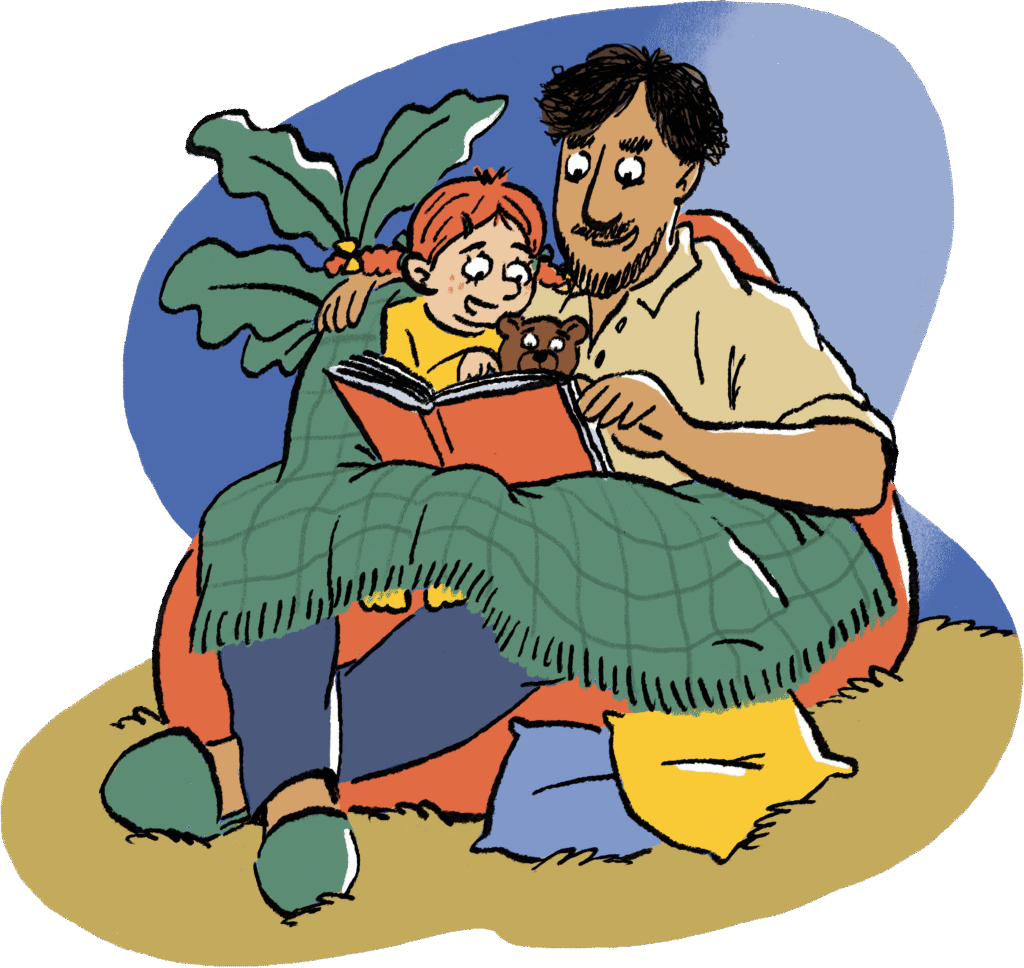
Child and parent reading together -
Child putting on their socks with parent supporting them



Free marketing assets
The Starting Reception A5 flyer
An editable Starting Reception poster
A QR code and template copy for emails and webpages
Starting Reception social media assets
Download the Starting Reception social media assets. The document also comes with instructions.
How to share Starting Reception with families
For nurseries, pre-schools, childminders and other early years settings
- Share استقبالیہ شروع کرنا(opens in new tab) with families on your website, in emails, newsletters and on social media. National offer day in April each year is a great opportunity to promote Starting Reception.
- Display our Starting Reception poster(opens in new tab) in your setting or create your own using our ready-made QR code.
- Print the definition (you can even add your own logo) and hand out copies to families during transition meetings and/or when children first join the pre-school room.
- Watch the 60-minute webinar(opens in new tab) and discover top tips to help strengthen your school readiness.
For schools
- Link to استقبالیہ شروع کرنا on your school website (e.g. on your admissions page).
- Include a link to استقبالیہ شروع کرنا in email communications to new families and on your social media channels.
- Print the definition (you can even add your own logo) and hand out copies to families on open days, during welcome evenings, transition visits etc...
- Display our Starting Reception poster in your school or create your own using our ready-made QR code.
- Discuss Starting Reception with feeder nurseries to align expectations and to increase awareness of any families who may be at risk and need extra support.
- Watch the 60-minute webinar and discover top tips to help strengthen your school readiness.
For local authorities
- Share استقبالیہ شروع کرنا with colleagues – health, education, social care, libraries...everyone has a role to play in helping to set clear expectations to families.
- Share استقبالیہ شروع کرنا with schools and early years settings by email and in meetings.
- Include a link to استقبالیہ شروع کرنا on the admissions pages of your website and in admissions emails.
- Print the definition (you can even add your own logo) and make copies available through schools, early years settings, family hubs, GPs and health visiting teams.
- Promote استقبالیہ شروع کرنا on your social media channels.
- Watch the 60-minute webinar and discover top tips to help strengthen your school readiness.
For libraries
- Guidance(opens in new tab) for libraries using the Starting Reception Definition.

Guidance on setting clear expectations with parents
For practitioners in early years settings
For educators in schools
Bonus Starting Reception resources to share with families
Activity Guide
Fun activity ideas to try at home to get your child ready for school.
Things I'm learning to do
Use the Starting Reception Things I'm learning to do template to encourage your child's efforts when practising the Starting Reception skills at home.
Examples of practice
Local Authorities
Find out more about how local authorities like Doncaster, Lincolnshire and Newcastle are using the Starting Reception definition here.
Schools
Find out more about how schools in Kemnal and Oasis Multi Academy Trusts are using the Starting Reception definition here.
Nurseries
Find out more about how nurseries like Ark Start are using the Starting Reception definition here.