Early Years Toolkit
Support for the sector
Free, ready-to-use assets and messaging to promote Starting Reception.
Making the most of Starting Reception
In this section, find information specifically for professionals working in early years settings, schools and local authorities. All content is free to use and publish. We ask that you do not change the definition and credit startingreception.co.uk.
Not sure what Starting Reception is? Read our FAQs.

Customise the Starting Reception definition for your organisation
The free Starting Reception booklet
Instructions for adding your own logo to the Starting Reception booklet
- To add your logo to the PDF: We have left space for your logo on the front cover of the PDF in the top right corner. Download the document, open it in any PDF editing software and drag your logo onto the top right hand corner.
- If you are having trouble with software, please use the 'Edit PDF' function on ILovePDF (free & no registration needed). Click 'Select PDF file' and upload the Starting Reception PDF. Then select 'Add image', choose your school/organisation logo and position/resize it in the online editor. Finally, click 'Edit PDF' and then 'Download PDF'.
- To add details of local services or notes: there is a large amount of space on the back page where you can add your own text.
Content from Starting Reception which is easy to copy and paste
اسٹارٹنگ ریسیپشن
تہاڈے بال دا سکول جان دا سفر گھر توں شروع ہوندا اے۔
اسی سمجھنے آں کہ سارے بال اپنی رفتار نال نشوونما پاندے نیں، اتے اسی سارے پیدائش توں ای سکھ رئے آں۔ جدوں سکول شروع کرن دا ویلہ آوے گا، تاں کجھ بالاں نوں دوجیاں نالوں ودھ مدد دی لوڑ ہووے گی۔
کجھ اہم مہارتاں* نیں جہناں بارے سکول زیادہ تر بالاں کولوں اپنے پہلے دن توں پہلاں سکھنا شروع کرن دی توقع رکھدے نیں۔ ایہناں دی مشق کرن نال تہاڈے بال دا ریسپشن دا سفر جِنا ممکن ہو سکے مثبت ہو جائے گا۔
جے تہاڈا بال پہلے ای نرسری، پری سکول اچ اے، یا کسے چائلڈ مائنڈر نال اے، تاں اوہ پیشہ ور ماہر تیار کرن اچ مدد دین لئی تہاڈے تے تہاڈے بال نال رل کے کم کرن گے۔
اپنے بال دے اعتماد تے خوداعتمادی نوں ودھاون لئی تسی گھر اچ بہت کجھ کر سکدے او، جیہدے نال اوہناں نوں سکول شروع کرن لئی جذباتی تے عملی طور تے تیار محسوس کرن اچ مدد ملدی اے۔
*اسی ایس دستاویز نوں ’’اسٹارٹنگ ریسیپشن‘ دی تعریف آکھ رئے آں۔ کجھ لوک/تنظیماں ایہنوں 'سکول دی تیاری' دے طور تے حوالہ دیندیاں نیں۔
میں اپنے بال نوں تیار کرن اچ کیویں مدد کر سکدا/سکدی آں؟
- جدوں تہاڈا بال سکول شروع کرے گا تاں اونہاں کول بہت ساریاں نویاں سرگرمیاں تے مشغلے ہون گے جنہاں دی عادت پاونی ہووے گی۔ کجھ ایداں دیاں شیواں نیں جہناں دی اوہناں نوں پہلے توں ودھ خوداعتمادی نال کرن دی لوڑ ہووے گی۔
- Research shows that a child’s relationship with their parents is the most important factor in their development, and there’s a lot you can do at home.
- جدوں تہاڈا بال تہاڈے یا کسے ہور نگہداشت کنندہ نال گھر ہوندا اے، تاں تسی مزے دار سرگرمیاں نال اک ٹبر دے طور تے مشق کر سکدے او (اسی ایس وسیلے دے آخر وچ لنکس شامل کیتے نیں)۔
- ایہناں وچوں کجھ مہارتاں نوں سِکھن اچ ویلا لگدا اے، ایس لئی ایہہ چنگا ہونا کہ تسی ایہناں نوں اپنے روزمرہ دے معمول دے حصے دے طور تے ہولی ہولی متعارف کرواؤ۔
جے میرا بال اضافی لوڑاں دا حامل ہووے تاں کیہ ہووے گا؟
- جے تہاڈے بال نوں ریسیپشن اچ واقف کار ہون لئی اضافی مدد دی لوڑ اے، تاں یقینی بناؤ کہ تسی اوہناں دے نویں استاد نال ودھ توں ودھ جانکاری شیئر کرو۔ اوہ تہاڈے بال دی مدد کرن لئی حکمت عملیاں لبھن لئی تہاڈے نال کم کر سکدے نیں۔
- گرمیاں اچ پیدا ہون آلے بال، یا اوہ جیہڑے انگریزی نوں بطور اضافی بولی (EAL) بولدے نیں، اوہناں نوں ہور مدد دی لوڑ ہو سکدی اے۔
- جے تہانوں پتہ اے یا شک اے کہ تہاڈے بال خصوصی تعلیمی لوڑاں (SEND)، نشوونما دے فرق یا تاخیر دا حامل اے، تاں ایہناں وچوں کجھ مہارتاں ایس ویلے اوہناں لئی قابلِ حصول نئیں ہو سکدیاں۔
- پیشگی مدد نال بہت فرق پیندا اے - اپنے بال دی نرسری، سکول، صحت دے وزیٹر، مقامی بالاں دے مرکز یا فیملی ہب توں مدد لئی پچھو۔
میں مدد لئی کیدے نال گل کر سکدا/سکدی آں؟
سارے بالاں نوں اپنے قابل اعتماد بالغاں دی مدد دی لوڑ ہوندی تاں جے اوہ ریسیپشن شروع کرن بارے پراعتماد تے پُرجوش محسوس کر سکن۔
- جے تہانوں ہور جانکاری دی لوڑ ہووے تاں تہاڈی چائلڈ مائنڈر/نرسری/پری سکول ٹیم یا تہاڈا ہیلتھ وزیٹر،چائلڈ سینٹر یا فیملی ہب مدد کر سکدا اے۔
- اسی تہانوں تے تہاڈے بال نوں اکٹھے تیار ہون اچ مدد لئی تنظیماں تے وسائل دی اک فہرست وی تھلے دتی اے۔
The definition: skills to practice before starting Reception
New skills take time to learn. Practicing at home will help your child move into school more easily and with confidence.
ودھدی ہوئی خوداعتمادی
اپنے آپ دا خیال رکھنا
- اپنے کوٹ اتے جوتیاں پانا/لاہنا
- ٹوائلٹ ورتنا تے اپنے ہتھ دھونا
- تھوڑی جئی مدد نال کپڑے پانا، جیویں ٹوائلٹ ورتن یا PE توں بعد
- کٹلری (جیویں کانٹا اتے چمچ، چاپسٹکس) ورتنا اتے کُھلے کپ وچوں پینا
- تہاڈے توں دور ویلہ گزارنا، ایہہ سکھنا کہ دیکھ بھال کرن آلے بالغ لوک اوہناں دا خیال رکھ سکدے نیں
کھیڈ، تخلیقی صلاحیت اتے تجسس
- تصوری کھیڈ وچ حصہ لینا (جیویں رول پلے)
- ڈرائنگ، پینٹنگ، رنگنا تے چپکانا
- Counting, building and doing puzzles
- کہانیاں دیاں کتاباں سانجھیاں کرنا، تصویراں ویکھنا تے کرداراں بارے گلاں کرنا
- Exploring the world around them (e.g. looking closely at the natural world, noticing numbers, patterns and shapes, playing safely with objects at home)
تعلقات بنانا اتے گل بات کرنا
دوجیاں دے نال ویلہ گزارنا
- کھڈونیاں نوں سانجھا کرنا اتے واری چلن دی مشق کرنا
- اوہناں نال گل بات کرنا کہ اوہ کیویں محسوس کر رئے نیں اتے کیوں
- کہانیاں دیاں کتاباں نوں اکٹھے ویکھنا اتے ایس بارے کرنا اک چنگا طریقہ اے کہ اوہ احساس کیہڑے کرداراں نیں
- دوجیاں دے احساساں نوں پہچانا شروع کرنا، مثلاً جے کوئی یار اداس ہووے تاں اوہنوں سمجھنا
- اوہناں نوں اپنے آپ اتے دوجیاں دیاں حداں مقرر کرن لئی حوصلہ افزائی کرنا (مثال دے طور تے ایہہ جاننا کہ 'نئیں' کیویں آکھنا اے)
گل بات کرنا اتے بولی
- گیتاں اتے نرسری دی رباعیاں نال گانا
- دوجیاں نال سرگرمیاں، تجربیاں اتے اوہناں دے آلے دوآلے دی دنیا بارے خوشی نال گل بات کرنا
- واضح طور تے بول کے (بنیادی انگریزی یا اشاریاں دی بولی وچ) ایہہ ظاہر کرنا کہ اوہناں نوں مدد دی لوڑ اے
- اپنے ناں دے پیٹرن نوں پہنچاننا (تاں جے اوہ ایہنوں اپنے کوٹ پیگ یا جیکٹ تے لبھ سکن)
سننا اتے مشغول ہونا
- تھوڑے ویلے لئی توجہ دینا
- سادہ ہدایتاں سننا اتے اوہناں تے عمل کرنا
- کسے کم نوں اوکھے ویلے وی جاری رکھنا اتے جے کجھ غلط ہو جاندا اے تاں واپس اٹھنا
جسمانی نشوونما
دن اچ گھٹ توں گھٹ تن گھنٹے حرکت کرنا
- پئوڑیاں چڑھنا اتے لیہنا (اک ویلے اچ اک پیر، سپورٹ لئی کندھ دا استعمال کرنا)
- چڑھناں، بھجناں، چھالاں مارنا تے کھیڈناں
- اک وڈی گیند نوں پھڑناں (بہتا ویلہ)
- سادہ بُجھارتاں اتے دستکاری دیاں سرگرمیاں کرنا، کٹن اتے چپکان نال گرفت نوں مضبوط کرنا
صحت بخش معمولات
- ہر رات تقریباً اکو ویلے سونا، سکول لئی تیار ہون لئی ویلے سر اٹھناں
- سکرین ٹائم نوں تجویز کردہ روزانہ دی مقدار تیکر محدود کرنا (مشورہ ویکھو)
- صحت مند خوراک کھانا اتے نویں کھان پین دیاں شیواں آزمانا
- دن اچ دو واری فلورائیڈ ٹوتھ پیسٹ نال اپنے دنداں نوں برش کرنا (تہانوں ایہدی نگرانی کرنی پوے گی جدوں تیکر کہ اوہ گھٹ توں گھٹ 7 سال دے نہ ہو جان)
جے مینوں اپنے بال دی نشوونما بارے کوئی خدشہ ہووے تاں مینوں کیہ کرنا چاہیدا اے؟
- جے تسی اپنے بال دی نشوونما بارے فکر مند او، تاں اپنے چائلڈ مائنڈر/نرسری/پری سکول ٹیم، ہیلتھ وزیٹر، مقامی بالاں دے مرکز یا فیملی ہب نال گل کرو۔
- جے تہاڈے بال نوں نشوونما دی تاخیر اے یا SEND (مشکوک یا تصدیق شدہ) اے، تاں ریسیپشنن شروع کرن توں پہلاں اوہناں دی نرسری، چائلڈ مائنڈر، یا ہیلتھ وزیٹر/نرسری/پری سکول ٹیم نال گل کرو اتے جدوں تسی سکولاں دا انتخاب کر رئے ہوو تاں اوہناں دیاں لوڑاں تے تبادلہ خیال کرو۔
- تسی اپنے بال دی ابتدائی سالاں دی تھاں نال کم کر سکدے او تاں جے اپنے بال نوں خود دی دیکھ بھال، جذبات دے انتظام، سماجی مہارتاں تے گل بات کرن نال ایداں دی مدد کر سکو جیہڑی اوہدی نشوونما دے مرحلے دے مطابق ہووے۔
- ہو سکدا اے تسی ایہناں بارے تفصیلاں سانجھیاں کرنا چاہو: اوہناں دی نشوونما، لوڑاں، اوہناں نوں کیویں حوصلہ افزائی ملدی اے، کیہ مشکلاں دا سبب بن سکدا اے، اوہ کیویں سب توں چنگا سکھدے نیں، اتے کیہڑیاں حکمت عملیاں چنگی طرح کم کردیاں نیں۔
- ایہہ یقینی بناؤ کہ تسی اپنے بال دی مدد کرن آلے ہر اک شخص نال، سمیت اوہناں دے نویں ریسپشن دے استاد نال اہم جانکاری سانجھی کرو۔
وادھو لوڑاں آلے ٹبراں لئی وسائل:
ایداں دیاں بہت ساریاں تنظیماں نیں جہڑیاں اک ہموار منتقلی نوں یقینی بنان اتے اوہناں نوں مستقبل دی کامیابی لئی تیار کرن لئی، تہانوں، تہاڈے بال اتے اوہدی تعلیمی تھاں نوں تیار کرن لئی جانکاری اتے حکمت عملیاں نال تہاڈی مدد کر سکدیاں نیں۔
ایہناں اچ شامل نیں:
<h1>اسٹارٹنگ ریسیپشن</h1>
<h2>تہاڈے بال دا سکول جان دا سفر گھر توں شروع ہوندا اے۔</h2>
<p>اسی سمجھنے آں کہ سارے بال اپنی رفتار نال نشوونما پاندے نیں، اتے اسی سارے پیدائش توں ای سکھ رئے آں۔ جدوں سکول شروع کرن دا ویلہ آوے گا، تاں کجھ بالاں نوں دوجیاں نالوں ودھ مدد دی لوڑ ہووے گی۔</p>
<p>کجھ اہم مہارتاں* نیں جہناں بارے سکول زیادہ تر بالاں کولوں اپنے پہلے دن توں پہلاں سکھنا شروع کرن دی توقع رکھدے نیں۔ ایہناں دی مشق کرن نال تہاڈے بال دا ریسپشن دا سفر جِنا ممکن ہو سکے مثبت ہو جائے گا۔</p>
<p>جے تہاڈا بال پہلے ای نرسری، پری سکول اچ اے، یا کسے چائلڈ مائنڈر نال اے، تاں اوہ پیشہ ور ماہر تیار کرن اچ مدد دین لئی تہاڈے تے تہاڈے بال نال رل کے کم کرن گے۔</p>
<p>اپنے بال دے اعتماد تے خوداعتمادی نوں ودھاون لئی تسی گھر اچ بہت کجھ کر سکدے او، جیہدے نال اوہناں نوں سکول شروع کرن لئی جذباتی تے عملی طور تے تیار محسوس کرن اچ مدد ملدی اے۔</p>
<em>*We are calling this document the ‘Starting Reception’ definition. Some people/organisations refer to this as ‘school readiness’.</em>
<p>
<strong>میں اپنے بال نوں تیار کرن اچ کیویں مدد کر سکدا/سکدی آں؟</strong>
<ul>
<li>Your child will have lots of new activities and routines to get used to when they start school. There are some things they’ll need to do more independently than they might have before.</li>
<li>Research shows that a child’s relationship with their parents is the most important factor in their development, and there’s a lot you can do at home.</li>
<li>When your child is at home with you or another caregiver, you can practise as a family with fun activities (we’ve included links at the end of this resource).</li>
<li>Some of these skills take time to master, so it’s good to introduce them gradually as part of your daily routine.</li>
</ul>
<strong>جے میرا بال اضافی لوڑاں دا حامل ہووے تاں کیہ ہووے گا؟</strong>
<ul>
<li>If your child needs additional support to settle into Reception, make sure you share as much information as possible with their new teacher. They can work with you to find strategies to support your child.</li>
<li>Summer born children, or those speaking English as an additional language (EAL) may need more support.</li>
<li>If you know or suspect your child has special educational needs (SEND), developmental differences or delays, some of these skills may not be achievable for them at this point.</li>
<li>Early support makes a big difference – ask your child’s nursery, school, health visitor, local children’s centre or family hub for help.</li>
</ul>
<strong>میں مدد لئی کیدے نال گل کر سکدا/سکدی آں؟</strong>
سارے بالاں نوں اپنے قابل اعتماد بالغاں دی مدد دی لوڑ ہوندی تاں جے اوہ ریسیپشن شروع کرن بارے پراعتماد تے پُرجوش محسوس کر سکن۔
<ul>
<li>Your childminder/nursery/pre-school team or your health visitor, children’s centre or family hub can help if you need more information.</li>
<li>We’ve also put together a list of organisations and resources further down to help you and your child get ready together.</li>
</ul>
<strong>The definition: skills to practice before starting Reception</strong>
<p>New skills take time to learn. Practicing at home will help your child move into school more easily and with confidence.</p>
<h3>ودھدی ہوئی خوداعتمادی</h3>
<strong>اپنے آپ دا خیال رکھنا</strong>
<ul>
<li>Putting on/taking off their coat and shoes</li>
<li>Using the toilet and washing their hands</li>
<li>Getting dressed with little help, e.g. after using the toilet or doing PE</li>
<li>Using cutlery (e.g. fork and spoon, chopsticks) and drinking from an open cup</li>
<li>Spending time away from you, learning they can be looked after by caring adults</li>
</ul>
<strong>کھیڈ، تخلیقی صلاحیت اتے تجسس</strong>
<ul>
<li>Taking part in imaginative play (e.g. role play)</li>
<li>Drawing, painting, colouring and sticking</li>
<li>Counting, building and doing puzzles</li>
<li>Sharing story books with caregivers, looking at pictures and talking about the characters</li>
<li>Exploring the world around them (e.g. looking closely at the natural world, noticing numbers, patterns and shapes, playing safely with objects at home)</li>
</ul>
<h3>تعلقات بنانا اتے گل بات کرنا</h3>
<strong>دوجیاں دے نال ویلہ گزارنا</strong>
<ul>
<li>Practising sharing and taking turns with toys</li>
<li>Talking to them about how they are feeling and why</li>
<li>Looking at story books together and speaking about what characters are feeling is a good way to do this</li>
<li>Beginning to recognise what others are feeling, e.g. understanding if a friend is sad</li>
<li>Encouraging them to set boundaries for themselves and others (e.g. knowing how to say ‘no’)</li>
</ul>
<strong>گل بات کرنا اتے بولی</strong>
<ul>
<li>Singing along with songs and nursery rhymes</li>
<li>Talking happily to others about activities, experiences and the world around them</li>
<li>Showing they need help by speaking clearly (in basic English or sign language)</li>
<li>Recognising the pattern of their name (so they can find it on their coat peg or jacket)</li>
</ul>
<strong>سننا اتے مشغول ہونا</strong>
<ul>
<li>Paying attention for short periods of time</li>
<li>Listening to and following simple instructions</li>
<li>Carrying on with a task even when it’s difficult and bouncing back if things go wrong</li>
</ul>
<h3>جسمانی نشوونما</h3>
<strong>دن اچ گھٹ توں گھٹ تن گھنٹے حرکت کرنا</strong>
<ul>
<li>Walking up and down steps (one foot at a time, using the wall for support)</li>
<li>Climbing, running, jumping and playing</li>
<li>Catching a large ball (most of the time)</li>
<li>Doing simple puzzles and craft activities, strengthening their grip with cutting and sticking</li>
</ul>
<h3>صحت بخش معمولات</h3>
<ul>
<li>Going to bed around the same time each night, waking up in time to get ready for school</li>
<li>Limiting screen time to the recommended daily amounts (see advice)</li>
<li>Eating a healthy diet and trying new foods</li>
<li>Brushing their teeth with fluoride toothpaste twice a day (you’ll need to supervise this until they are at least 7)</li>
</ul>
<strong>جے مینوں اپنے بال دی نشوونما بارے کوئی خدشہ ہووے تاں مینوں کیہ کرنا چاہیدا اے؟</strong>
<ul>
<li>If you're worried about your child's progress, talk to your childminder/nursery/pre-school team, health visitor, local children's centre or Family Hub.</li>
<li>If your child has developmental delays or SEND (suspected or confirmed), speak to their nursery, childminder, or health visitor/nursery/pre-school team well before they start Reception and discuss their needs when you are selecting schools.</li>
<li>You can work with your child’s early years setting to help your child with self-care, managing emotions, social skills and communication in a way that suits their stage of development.</li>
<li>You might want to share details about: their development, needs, what motivates them, what might trigger difficulties, how they learn best, and what strategies work well.</li>
<li>Make sure you share important information with everyone supporting your child, including their new Reception teacher.</li>
</ul>
<strong>وادھو لوڑاں آلے ٹبراں لئی وسائل:</strong>
<p>ایداں دیاں بہت ساریاں تنظیماں نیں جہڑیاں اک ہموار منتقلی نوں یقینی بنان اتے اوہناں نوں مستقبل دی کامیابی لئی تیار کرن لئی، تہانوں، تہاڈے بال اتے اوہدی تعلیمی تھاں نوں تیار کرن لئی جانکاری اتے حکمت عملیاں نال تہاڈی مدد کر سکدیاں نیں۔</p>
ایہناں اچ شامل نیں:
<ul>
<li><a href="https://www.familylives.org.uk/">Family Lives</a></li>
<li><a href="https://speechandlanguage.org.uk/">Speech and Language UK</a></li>
<li><a href="https://dingley.org.uk/">Dingley’s Promise</a></li>
<li><a href="https://www.kids.org.uk/">KIDS</a></li>
</ul>
ودھدی ہوئی خوداعتمادی
ودھدی ہوئی خوداعتمادی
- پیرنٹ کائنڈ دا آن لائن ایڈوائس ہب اتے ماں پیاں لئی میگزین 'بی سکول ریڈی' ویکھو: (ParentKind)
- اپنے بال نوں ریسیپشن لئی تیار کرن اچ مدد کرن لئی فیملی کارنر دے 5 ٹوٹکیاں توں لطف اندوز ہوو: (Family Corner)
- ماں پیاں اتے پریکٹیشنرز لئی رہنمائی: (PACEY)
- روزمرہ دے تربیت دے لمحیاں وچ معاونت لئی ٹوٹکے اتے سرگرمیاں لئی مفت EasyPeasy موبائل ایپ ڈاؤن لوڈ کرو: (Easy Peasy)
اپنے آپ دا خیال رکھنا
- تسی وکھریویں نوں کیویں سوکھا بنا سکدے او؟ (Family Corner)
- کپڑے پانا اتے دن لئی تیار ہونا: (NHS)
- کپڑے پانا اتے دن لئی تیار ہونا: (BBC - Tiny Happy People)
سادہ تے معاون ٹوائلٹ دی تربیت دا مشورہ:
- انسٹی ٹیوٹ آف ہیلتھ وزٹنگ کول ٹوائلٹ دی تربیت بارے مشورے اتے ٹوٹکے نیں: (The Institute of Health Visiting)
- سادہ تے معاون ٹوائلٹ دی تربیت دا مشورہ: (ERIC)
- سادہ تے معاون ٹوائلٹ دی تربیت دا مشورہ: (NHS)
- سادہ تے معاون ٹوائلٹ دی تربیت دا مشورہ: (Down Syndrome UK)
کھیڈنا، تخلیقی صلاحیت اتے تجسس
- خدمت اتے واپسی راہیں دماغ دی تعمیر لئی 5 مرحلے: (Center on the Developing Child at Harvard University)
- کھیڈ اچ بال دی دلچسپی نوں سمجھن دا طریقہ: (National Literacy Trust)
- اپنے بال نال کردار ادا کرن دا طریقہ: (BBC Tiny Happy People)
- اپنے بال نال کردار ادا کرن دا طریقہ: (BBC Tiny Happy People)
- ڈرائنگ دے نال اوہناں دی کلپنا دی مدد کرو (BBC Tiny Happy People)
- نشان لاونا کیہ اے اتے ایہہ سکھن لئی کیوں ضروری اے؟ (PACEY)
- عالمی کتاب دیہاڑ تے کہانیاں دیاں کتاباں سانجھیاں کرنا: (BBC Tiny Happy People)
- بالاں لئی فطرتی سرگرمیاں: (BBC Tiny Happy People)
- بس اچ سکھنا تے مزہ کرنا: (BBC Tiny Happy People)
- اک کھیڈ کھیڈو: 'اوہ کیہڑی آواز اے؟' (BBC Tiny Happy People)
- Give your child the best start in maths - ECMG
- Everyday activities to help your child with maths – ECMG
- Six Fat Sausages number rhyme - BBC
تعلقات بنانا اتے گل بات کرنا
- رائل فاؤنڈیشن سینٹر فار ارلی چائلڈ ہڈز شیپنگ اَس فریم ورک دسدا اے کہ ایہہ مہارتاں ابتدائی بچپن وچ کیداں نشوونما پاندیاں نیں: (The Royal Foundation)
- اکٹھے کہانیاں توں لطف اندوز ہون لئی ٹاپ ٹوٹکے تے سکول شروع کرن لئی کتاباں دیاں سفارشاں (BookTrust)
دوجیاں دے نال ویلہ گزارنا
- اپنے بال نوں دوست بنان اچ مدد کرن دا طریقہ جانو: (Family Corner)
- اپنے بال دی سماجی نشوونما نوں سمجھو: (Words for Life)
- کھڈونیاں نال سانجھا کرن دی مشق کرو: (BBC Tiny Happy People)
گل بات کرنا اتے بولی
- تسی اپنے بال دے پہلے استاد او - اوہناں نوں اپنا ناں لکھن دا طریقہ سکھان اچ مدد کرو: (Words for Life)
- بولی سکھن اتے ترقی کرن دے کئی طریقیاں نوں دریافت کرو - NHS اسٹارٹ فار لائف: (NHS)
- اکٹھے کہانیاں بنا کے اپنے بال دی تصوری اتے بولی نوں سنوارو: (BBC Tiny Happy People)
- بچے دی ترقی دی جانچ پڑتال کرن آلا (Speech & Language UK)
سننا اتے مشغول ہونا
صحت بخش معمولات
ایہہ سمجھو کہ عمر دے لحاظ نال سکرین ٹائم دی 'صحت بخش' سطح کیہ اے:
- سکرین ٹائم تے جسمانی سرگرمی تے عالمی ادارہ صحت دی رہنمائی (WHO)
- سکرین ٹائم تے رہنمائی (Health Professionals for Safer Screens)
انٹرنیٹ دی حفاظت بارے جانکاری حاصل کرو، سکرین دا ورتارا نکے بالاں تے کیویں اثر انداز ہوندا اے اتے تجویز کیتا سکرین ٹائم:
اوہناں لوکاں لئی جنہاں دے نکے بال نیں، NCT وچ کاکیاں تے نکے بالاں لئی وی مشورے دا احاطہ کیتا جاندا اے:
بالاں نوں خوراک نال مضبوط رشتہ بنان اتے شروع توں ای صحیح انتخاب کرن اچ مدد کرو:
- (Department for Education)
- (NHS)
- (BBC Tiny Happy People)
- (First Steps Nutrition Trust)
- بالاں دی صحت بخش خوراک لئی فیکٹ شیٹ: (Association of UK Dieticians)
بالاں دا دند برش کرنا اتے دنداں دے ڈاکٹر کول جانا:
نیندر دیاں ہدایتاں:
<h2>ودھدی ہوئی خوداعتمادی</h2>
<h3>ودھدی ہوئی خوداعتمادی</h3>
<ul>
<li><a href="https://www.parentkind.org.uk/for-parents/be-school-ready#heading547662" target="_blank" rel="noopener">Online advice hub and magazine for parents: 'Be School Ready' - Parentkind</a></li>
<li><a href="https://www.familycorner.co.uk/5-tips-help-your-child-prepare-transition-reception" target="_blank" rel="noopener">اپنے بال نوں ریسیپشن لئی تیار کرن اچ مدد کرن لئی فیملی کارنر دے 5 ٹوٹکیاں توں لطف اندوز ہوو: (Family Corner)</a></li>
<li><a href="https://www.pacey.org.uk/starting-school/" target="_blank" rel="noopener">ماں پیاں اتے پریکٹیشنرز لئی رہنمائی: (PACEY)</a></li>
<li><a href="https://easypeasyapp.com/for-parents-and-carers" target="_blank" rel="noopener">روزمرہ دے تربیت دے لمحیاں وچ معاونت لئی ٹوٹکے اتے سرگرمیاں لئی مفت EasyPeasy موبائل ایپ ڈاؤن لوڈ کرو: (Easy Peasy)</a></li>
</ul>
<h3>اپنے آپ دا خیال رکھنا</h3>
<ul>
<li><a href="https://www.familycorner.co.uk/how-do-i-make-separating-my-toddler-easier" target="_blank" rel="noopener">تسی وکھریویں نوں کیویں سوکھا بنا سکدے او؟ (Family Corner)</a></li>
<li><a href="https://www.leicspart.nhs.uk/wp-content/uploads/2020/06/416-dressing-skills-2.pdf" target="_blank" rel="noopener">کپڑے پانا اتے دن لئی تیار ہونا: (NHS)</a></li>
<li><a href="https://www.bbc.co.uk/tiny-happy-people/articles/zdxvy9q" target="_blank" rel="noopener">کپڑے پانا اتے دن لئی تیار ہونا: (BBC - Tiny Happy People)</a></li>
</ul>
<h3>سادہ تے معاون ٹوائلٹ دی تربیت دا مشورہ:</h3>
<ul>
<li><a href="https://ihv.org.uk/wp-content/uploads/2015/10/PT-Toilet-training-FINAL-VERSION-17.04.23.pdf" target="_blank" rel="noopener">انسٹی ٹیوٹ آف ہیلتھ وزٹنگ کول ٹوائلٹ دی تربیت بارے مشورے اتے ٹوٹکے نیں: (The Institute of Health Visiting)</a></li>
<li><a href="https://eric.org.uk/potty-training/" target="_blank" rel="noopener">سادہ تے معاون ٹوائلٹ دی تربیت دا مشورہ: (ERIC)</a></li>
<li><a href="https://www.nhs.uk/conditions/baby/babys-development/potty-training-and-bedwetting/how-to-potty-train/" target="_blank" rel="noopener">سادہ تے معاون ٹوائلٹ دی تربیت دا مشورہ: (NHS)</a></li>
<li><a href="https://downsyndromeuk.co.uk/parents/toilettraining/" target="_blank" rel="noopener">سادہ تے معاون ٹوائلٹ دی تربیت دا مشورہ: (Down Syndrome UK)</a></li>
</ul>
<h3>کھیڈنا، تخلیقی صلاحیت اتے تجسس</h3>
<ul>
<li><a href="https://www.youtube.com/watch?v=KNrnZag17Ek" target="_blank" rel="noopener">5 steps for brain building through serve and return - Center on the Developing Child at Harvard University</a></li>
<li><a href="https://www.youtube.com/watch?v=uXImT5QNWpw" target="_blank" rel="noopener">کھیڈ اچ بال دی دلچسپی نوں سمجھن دا طریقہ: (National Literacy Trust)</a></li>
<li><a href="https://www.bbc.co.uk/tiny-happy-people/articles/zvp88xs" target="_blank" rel="noopener">اپنے بال نال کردار ادا کرن دا طریقہ: (BBC Tiny Happy People)</a></li>
<li><a href="https://www.bbc.co.uk/tiny-happy-people/articles/z6jggwx" target="_blank" rel="noopener">اپنے بال نال کردار ادا کرن دا طریقہ: (BBC Tiny Happy People)</a></li>
<li><a href="https://www.bbc.co.uk/tiny-happy-people/articles/z4j8d6f" target="_blank" rel="noopener">ڈرائنگ دے نال اوہناں دی کلپنا دی مدد کرو (BBC Tiny Happy People)</a></li>
<li><a href="https://www.pacey.org.uk/mark-making/" target="_blank" rel="noopener">نشان لاونا کیہ اے اتے ایہہ سکھن لئی کیوں ضروری اے؟ (PACEY)</a></li>
<li><a href="https://www.bbc.co.uk/tiny-happy-people/world-book-day" target="_blank" rel="noopener">عالمی کتاب دیہاڑ تے کہانیاں دیاں کتاباں سانجھیاں کرنا: (BBC Tiny Happy People)</a></li>
<li><a href="https://www.bbc.co.uk/tiny-happy-people/articles/zj6nsk7" target="_blank" rel="noopener">بالاں لئی فطرتی سرگرمیاں: (BBC Tiny Happy People)</a></li>
<li><a href="https://www.bbc.co.uk/tiny-happy-people/articles/zvcbgwx" target="_blank" rel="noopener">بس اچ سکھنا تے مزہ کرنا: (BBC Tiny Happy People)</a></li>
<li><a href="https://www.bbc.co.uk/tiny-happy-people/articles/znnqmfr" target="_blank" rel="noopener">اک کھیڈ کھیڈو: 'اوہ کیہڑی آواز اے؟' (BBC Tiny Happy People)</a></li>
<li><a href="https://earlymaths.org/best-start-with-maths/" target="_blank" rel="noopener">Give your child the best start in maths - ECMG</a></li>
<li><a href="https://earlymaths.org/maths-postcards-for-families/" target="_blank" rel="noopener">Everyday activities to help your child with maths – ECMG</a></li>
<li><a href="https://www.bbc.co.uk/tiny-happy-people/articles/zhbx6v4" target="_blank" rel="noopener">Six Fat Sausages number rhyme - BBC</a></li>
</ul>
<h2>تعلقات بنانا اتے گل بات کرنا</h2>
<ul>
<li><a href="https://centreforearlychildhood.org/our-work/research/the-shaping-us-framework/" target="_blank" rel="noopener">رائل فاؤنڈیشن سینٹر فار ارلی چائلڈ ہڈز شیپنگ اَس فریم ورک دسدا اے کہ ایہہ مہارتاں ابتدائی بچپن وچ کیداں نشوونما پاندیاں نیں: (The Royal Foundation)</a></li>
<li><a href="https://www.booktrust.org.uk/how-we-help/parents-families/getting-ready-to-start-school/" target="_blank" rel="noopener">اکٹھے کہانیاں توں لطف اندوز ہون لئی ٹاپ ٹوٹکے تے سکول شروع کرن لئی کتاباں دیاں سفارشاں (BookTrust)</a></li>
</ul>
<h3>دوجیاں دے نال ویلہ گزارنا</h3>
<ul>
<li><a href="https://www.familycorner.co.uk/how-can-i-help-my-child-make-friends" target="_blank" rel="noopener">اپنے بال نوں دوست بنان اچ مدد کرن دا طریقہ جانو: (Family Corner)</a></li>
<li><a href="https://wordsforlife.org.uk/activities/milestones-4-year-olds/" target="_blank" rel="noopener">اپنے بال دی سماجی نشوونما نوں سمجھو: (Words for Life)</a></li>
<li><a href="https://www.bbc.co.uk/tiny-happy-people/articles/zxfbg7h" target="_blank" rel="noopener">کھڈونیاں نال سانجھا کرن دی مشق کرو: (BBC Tiny Happy People)</a></li>
</ul>
<h3>گل بات کرنا اتے بولی</h3>
<ul>
<li><a href="https://wordsforlife.org.uk/parent-support/when-should-my-child-be-able-to-write-their-name/" target="_blank" rel="noopener">تسی اپنے بال دے پہلے استاد او - اوہناں نوں اپنا ناں لکھن دا طریقہ سکھان اچ مدد کرو: (Words for Life)</a></li>
<li><a href="https://www.nhs.uk/start-for-life/toddler/learning-to-talk/learning-to-talk-3-to-5-years/" target="_blank" rel="noopener">بولی سکھن اتے ترقی کرن دے کئی طریقیاں نوں دریافت کرو - NHS اسٹارٹ فار لائف: (NHS)</a></li>
<li><a href="https://www.bbc.co.uk/tiny-happy-people/articles/zbkc47h" target="_blank" rel="noopener">اکٹھے کہانیاں بنا کے اپنے بال دی تصوری اتے بولی نوں سنوارو: (BBC Tiny Happy People)</a></li>
<li><a href="https://progress-checker.speechandlanguage.org.uk/" target="_blank" rel="noopener">بچے دی ترقی دی جانچ پڑتال کرن آلا (Speech & Language UK)</a></li>
</ul>
<h3>سننا اتے مشغول ہونا</h3>
<ul>
<li><a href="https://wordsforlife.org.uk/activities/talking-to-your-child-when-out-and-about/" target="_blank" rel="noopener">نیشنل لٹریسی ٹرسٹ نال واک اینڈ ٹاک ٹریل تے عمل کرو: (National Literacy Trust)</a></li>
<li><a href="https://www.bbc.co.uk/tiny-happy-people/articles/zb8nydm" target="_blank" rel="noopener">ایہناں کھیڈاں نال گھر تے بولی اتے سنن دیاں مہارتاں دی مشق کرو: (BBC Tiny Happy People)</a></li>
<li><a href="https://www.bbc.co.uk/tiny-happy-people/articles/zgvthcw" target="_blank" rel="noopener">ایہناں کھیڈاں نال گھر تے بولی اتے سنن دیاں مہارتاں دی مشق کرو: (BBC Tiny Happy People)</a></li>
</ul>
<h2>جسمانی نشوونما</h2>
<ul>
<li><a href="https://www.nhs.uk/live-well/exercise/physical-activity-guidelines-children-under-five-years/" target="_blank" rel="noopener">اک دن اچ 3 گھنٹے حرکت کرنا (NHS)</a></li>
<li><a href="https://www.youthsporttrust.org/healthymovers/families" target="_blank" rel="noopener">اپنے بچے دی مدد کرو تاکہ اوہ اک صحت مند بندہ بن سکے (Youth Sport Trust)</a></li>
<li><a href="https://www.youtube.com/watch?v=xjxXBZeFcmg" target="_blank" rel="noopener">بنیادی طاقت کیہ ہوندی اتے ایہہ بالاں لئی کیوں ضروری اے؟ (Department for Education)</a></li>
<li><a href="https://www.bbc.co.uk/tiny-happy-people/articles/zf8v3j6" target="_blank" rel="noopener">بالاں دے حرکت کرن لئی مزے دار کھیڈاں: (BBC Tiny Happy People)</a></li>
</ul>
<h2>صحت بخش معمولات</h2>
<h3>ایہہ سمجھو کہ عمر دے لحاظ نال سکرین ٹائم دی 'صحت بخش' سطح کیہ اے:</h3>
<ul>
<li><a href="https://www.who.int/news-room/detail/24-04-2019-to-grow-up-healthy-children-need-to-sit-less-and-play-more" target="_blank" rel="noopener">سکرین ٹائم تے جسمانی سرگرمی تے عالمی ادارہ صحت دی رہنمائی (WHO)</a></li>
<li><a href="https://healthprofessionalsforsaferscreens.org/wp-content/uploads/2024/10/0-5_poster_HPFSS.pdf" target="_blank" rel="noopener">سکرین ٹائم تے رہنمائی (Health Professionals for Safer Screens)</a></li>
</ul>
<h3>انٹرنیٹ دی حفاظت بارے جانکاری حاصل کرو، سکرین دا ورتارا نکے بالاں تے کیویں اثر انداز ہوندا اے اتے تجویز کیتا سکرین ٹائم:</h3>
<ul>
<li><a href="https://help-for-early-years-providers.education.gov.uk/health-and-wellbeing/internet-safety" target="_blank" rel="noopener">سکرین ٹائم تے رہنمائی (Department for Education)</a></li>
</ul>
<h3>اوہناں لوکاں لئی جنہاں دے نکے بال نیں، NCT وچ کاکیاں تے نکے بالاں لئی وی مشورے دا احاطہ کیتا جاندا اے:</h3>
<ul>
<li><a href="https://www.nct.org.uk/information/baby-toddler/caring-for-your-baby-or-toddler/screen-time-for-babies-and-toddlers-how-much" target="_blank" rel="noopener">سکرین ٹائم تے رہنمائی (NCT)</a></li>
</ul>
<h3>بالاں نوں خوراک نال مضبوط رشتہ بنان اتے شروع توں ای صحیح انتخاب کرن اچ مدد کرو: </h3>
<ul>
<li><a href="https://help-for-early-years-providers.education.gov.uk/health-and-wellbeing/nutrition" target="_blank" rel="noopener">(Department for Education)</a></li>
<li><a href="https://www.nhs.uk/healthier-families/" target="_blank" rel="noopener">(NHS)</a></li>
<li><a href="https://www.bbc.co.uk/bitesize/articles/z8h7dp3" target="_blank" rel="noopener">(BBC Tiny Happy People)</a></li>
<li><a href="https://www.firststepsnutrition.org/eating-well-resources" target="_blank" rel="noopener">(First Steps Nutrition Trust)</a></li>
<li><a href="https://www.bda.uk.com/resource/healthy-eating-for-children.html" target="_blank" rel="noopener">بالاں دی صحت بخش خوراک لئی فیکٹ شیٹ: (Association of UK Dieticians)</a></li>
</ul>
<h3>بالاں دا دند برش کرنا اتے دنداں دے ڈاکٹر کول جانا:</h3>
<ul>
<li><a href="https://www.bbc.co.uk/tiny-happy-people/articles/z6jbydm" target="_blank" rel="noopener">بالاں دا دند برش کرنا اتے دنداں دے ڈاکٹر کول جانا: (BBC Tiny Happy People)</a></li>
</ul>
<h3>نیندر دیاں ہدایتاں:</h3>
<ul>
<li><a href="https://www.nhs.uk/conditions/baby/health/sleep-and-young-children/" target="_blank" rel="noopener">(NHS)</a></li>
<li><a href="https://www.bbc.co.uk/tiny-happy-people/articles/zyv6xbk" target="_blank" rel="noopener">(BBC Tiny Happy People)</a></li>
</ul>
Royalty-free illustrations
Click here to download all the images in a zip file. Alternatively click on an image below to open the full-size version, then right-click and choose 'Save Image As'.
-

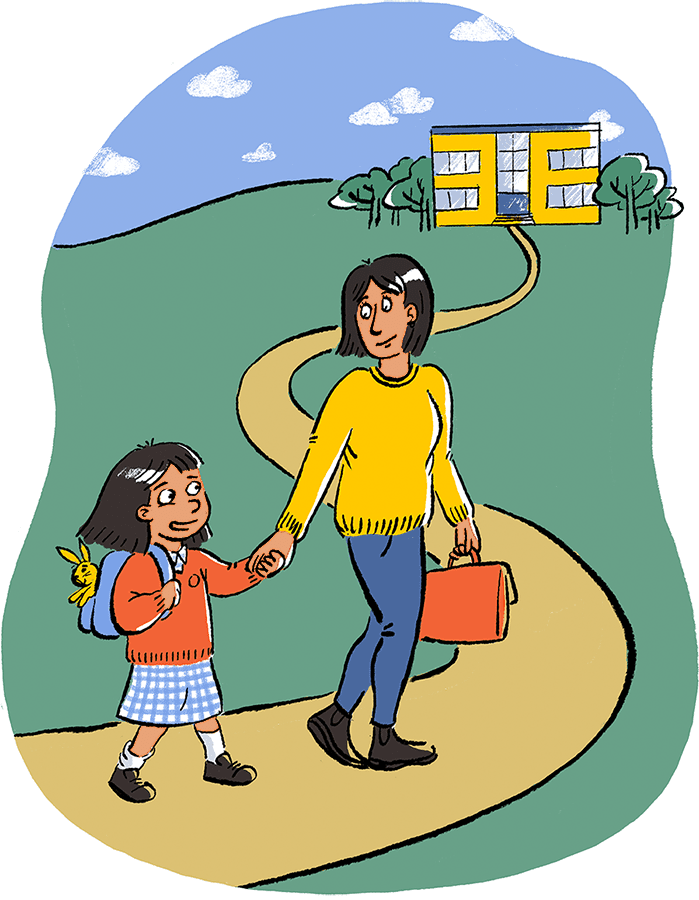
Cartoon of a parent and child on their way to school -
Cartoon of a parent and child -
Cartoon of a child singing using a wooden spoon as a pretend microphone -
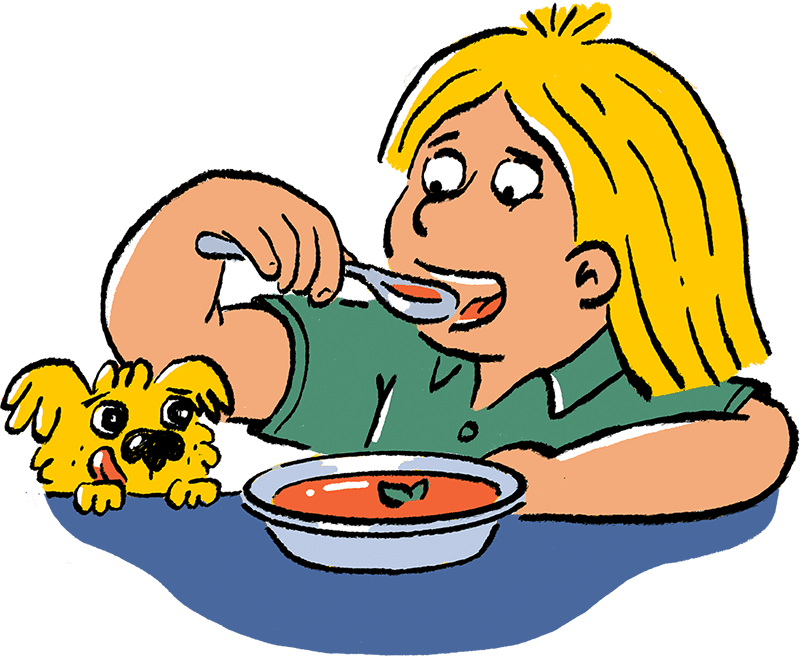
Cartoon of a child eating soup while a small dog watches -
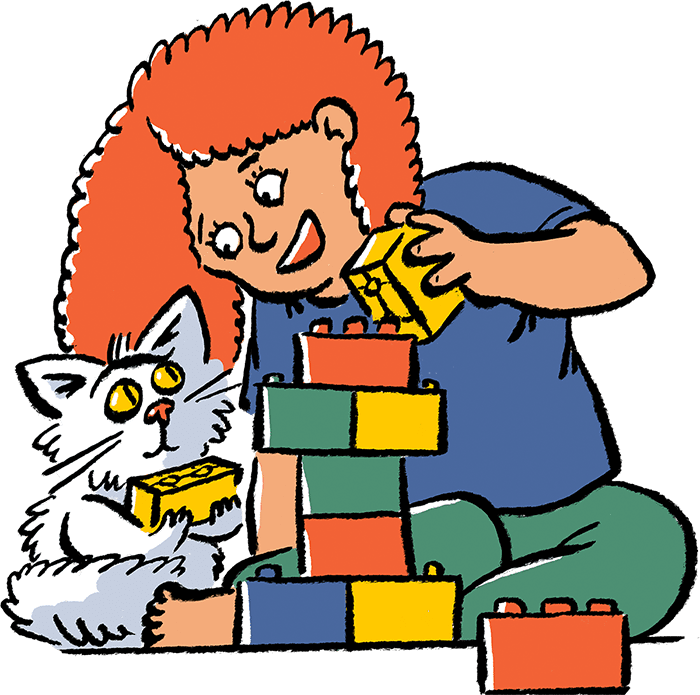
Cartoon of a child and cat building blocks -
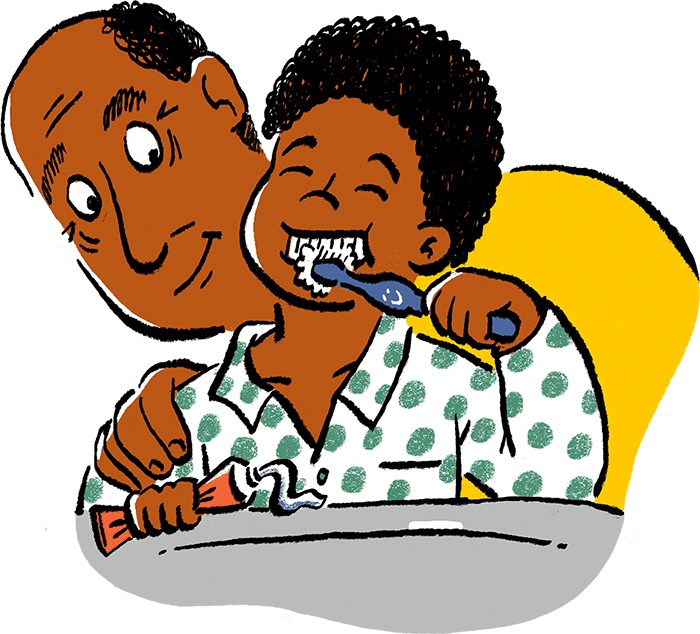
Cartoon of a child brushing teeth -
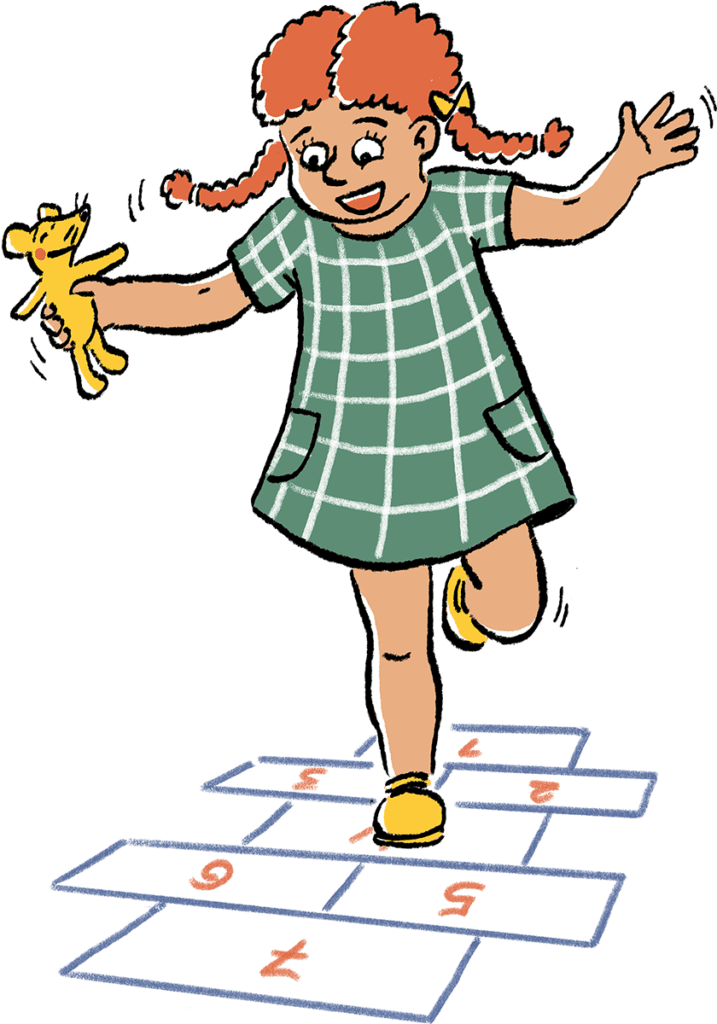
Cartoon of a child holding a toy mouse playing hopscotch -
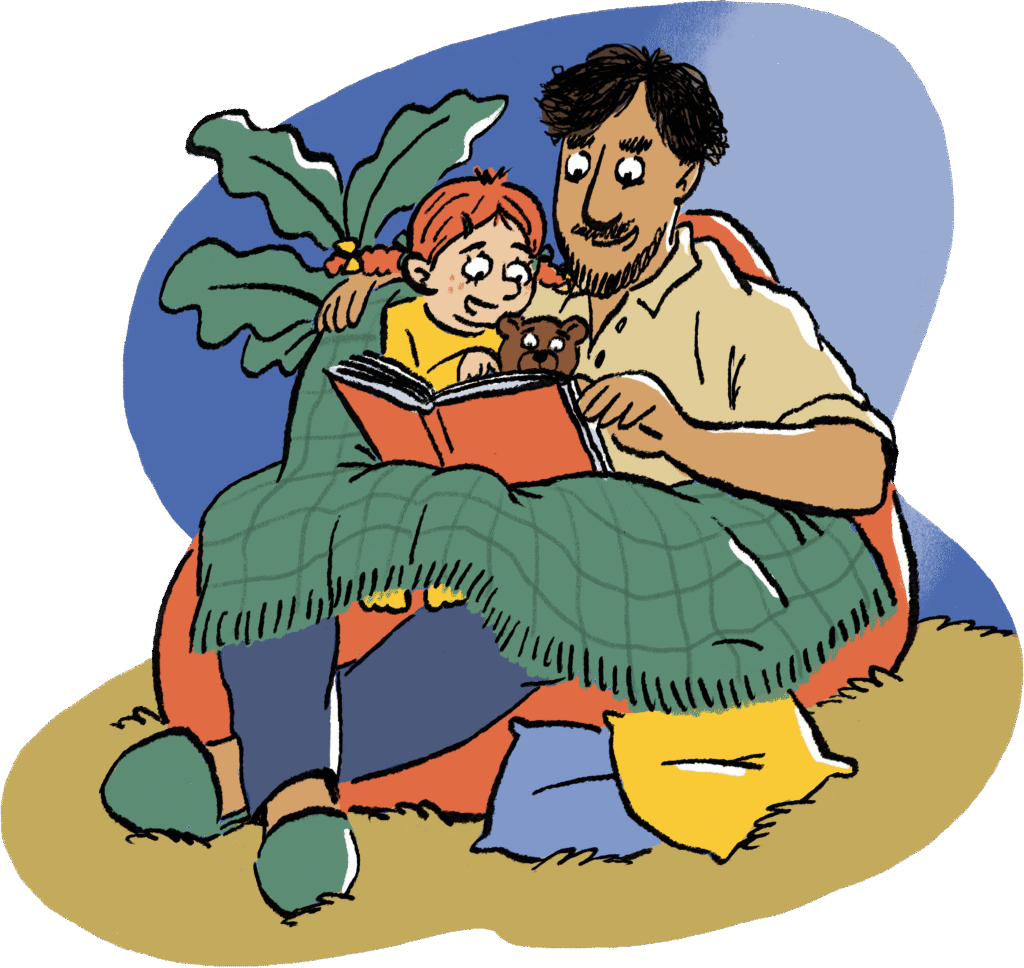
Child and parent reading together -
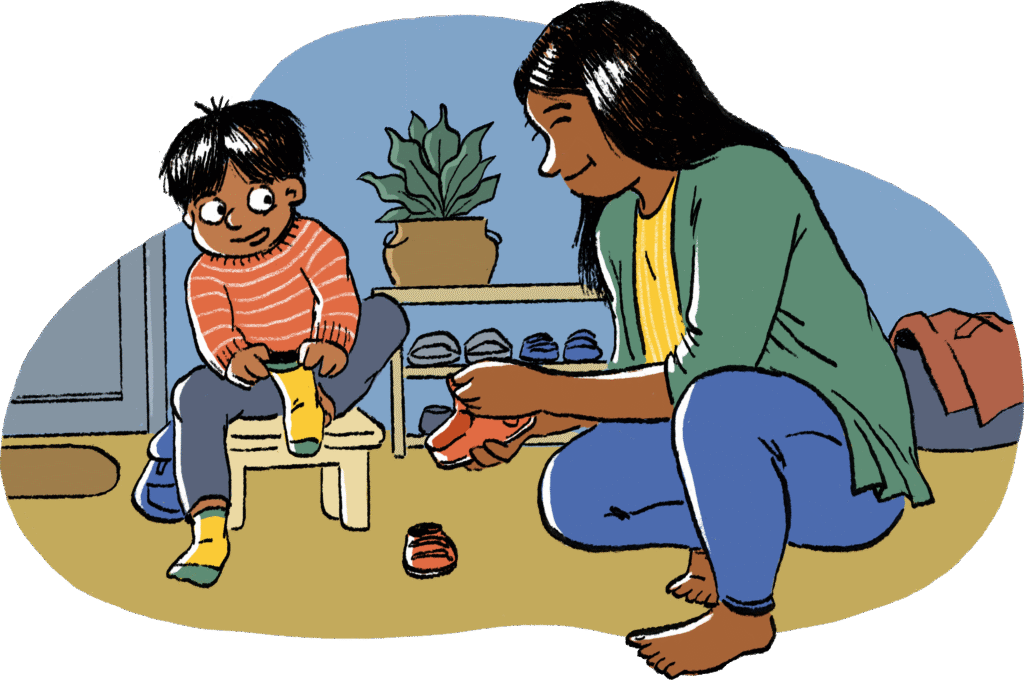
Child putting on their socks with parent supporting them

Free marketing assets
The Starting Reception A5 flyer
An editable Starting Reception poster
A QR code and template copy for emails and webpages
Starting Reception social media assets
Download the Starting Reception social media assets. The document also comes with instructions.
How to share Starting Reception with families
For nurseries, pre-schools, childminders and other early years settings
- Share اسٹارٹنگ ریسیپشن(opens in new tab) with families on your website, in emails, newsletters and on social media. National offer day in April each year is a great opportunity to promote Starting Reception.
- Display our Starting Reception poster(opens in new tab) in your setting or create your own using our ready-made QR code.
- Print the definition (you can even add your own logo) and hand out copies to families during transition meetings and/or when children first join the pre-school room.
- Watch the 60-minute webinar(opens in new tab) and discover top tips to help strengthen your school readiness.
For schools
- Link to اسٹارٹنگ ریسیپشن on your school website (e.g. on your admissions page).
- Include a link to اسٹارٹنگ ریسیپشن in email communications to new families and on your social media channels.
- Print the definition (you can even add your own logo) and hand out copies to families on open days, during welcome evenings, transition visits etc...
- Display our Starting Reception poster in your school or create your own using our ready-made QR code.
- Discuss Starting Reception with feeder nurseries to align expectations and to increase awareness of any families who may be at risk and need extra support.
- Watch the 60-minute webinar and discover top tips to help strengthen your school readiness.
For local authorities
- Share اسٹارٹنگ ریسیپشن with colleagues – health, education, social care, libraries...everyone has a role to play in helping to set clear expectations to families.
- Share اسٹارٹنگ ریسیپشن with schools and early years settings by email and in meetings.
- Include a link to اسٹارٹنگ ریسیپشن on the admissions pages of your website and in admissions emails.
- Print the definition (you can even add your own logo) and make copies available through schools, early years settings, family hubs, GPs and health visiting teams.
- Promote اسٹارٹنگ ریسیپشن on your social media channels.
- Watch the 60-minute webinar and discover top tips to help strengthen your school readiness.
For libraries
- Guidance(opens in new tab) for libraries using the Starting Reception Definition.

Guidance on setting clear expectations with parents
For practitioners in early years settings
For educators in schools
Bonus Starting Reception resources to share with families
Activity Guide
Fun activity ideas to try at home to get your child ready for school.
Things I'm learning to do
Use the Starting Reception Things I'm learning to do template to encourage your child's efforts when practising the Starting Reception skills at home.
Examples of practice
Local Authorities
Find out more about how local authorities like Doncaster, Lincolnshire and Newcastle are using the Starting Reception definition here.
Schools
Find out more about how schools in Kemnal and Oasis Multi Academy Trusts are using the Starting Reception definition here.
Nurseries
Find out more about how nurseries like Ark Start are using the Starting Reception definition here.